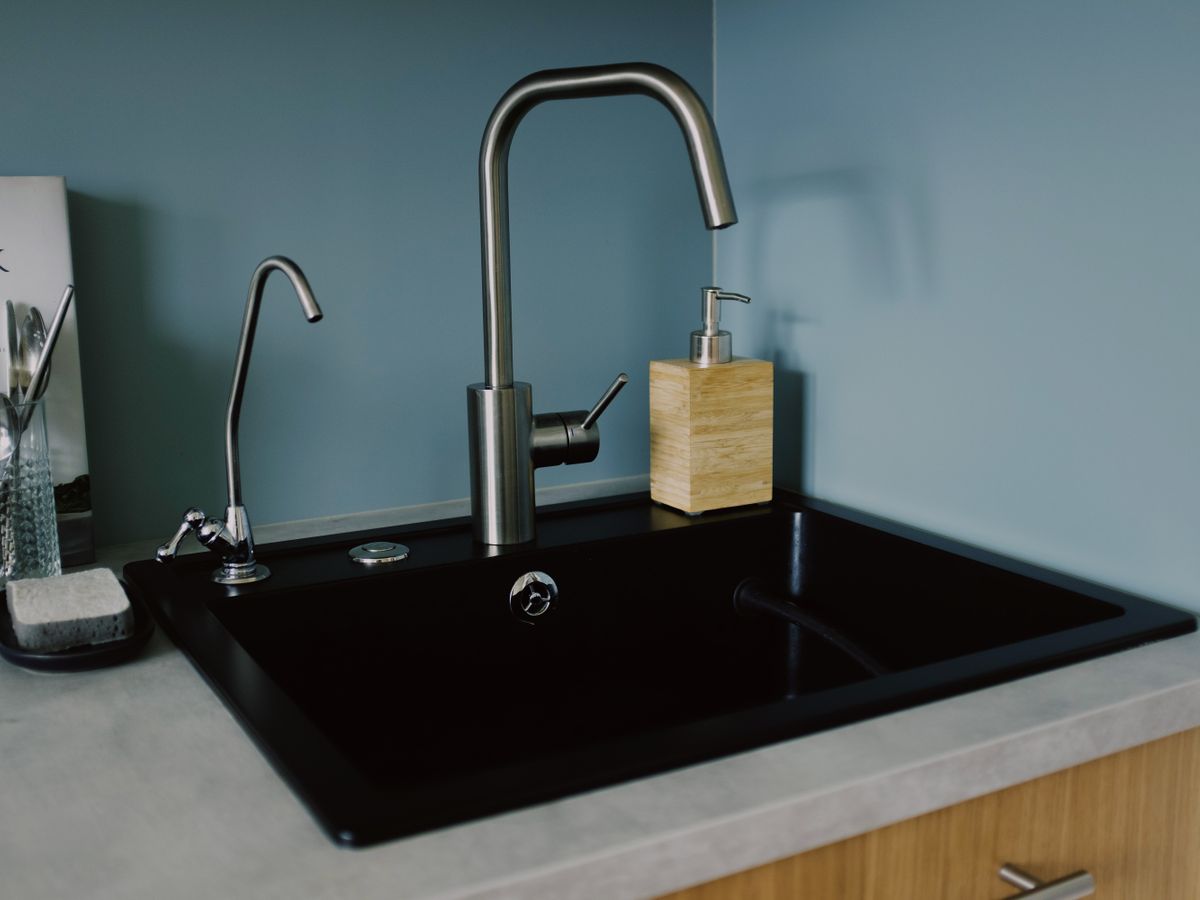
Clogged Drain Repair
One slow sink, tub or toilet? A provider finds where the clog sits and clears it without harsh chemicals.
View service (970) 693-9705
A toilet that will not stop rising, sewage in the basement floor drain, or every drain in the house backing up at once: these are the calls that cannot wait until Monday. Calls to (970) 693-9705 are answered 24/7 and connected with an independent local drain provider.
Loveland Drain Clean is a free referral service, not a plumbing company. Calls are answered by independent local providers who set their own prices.
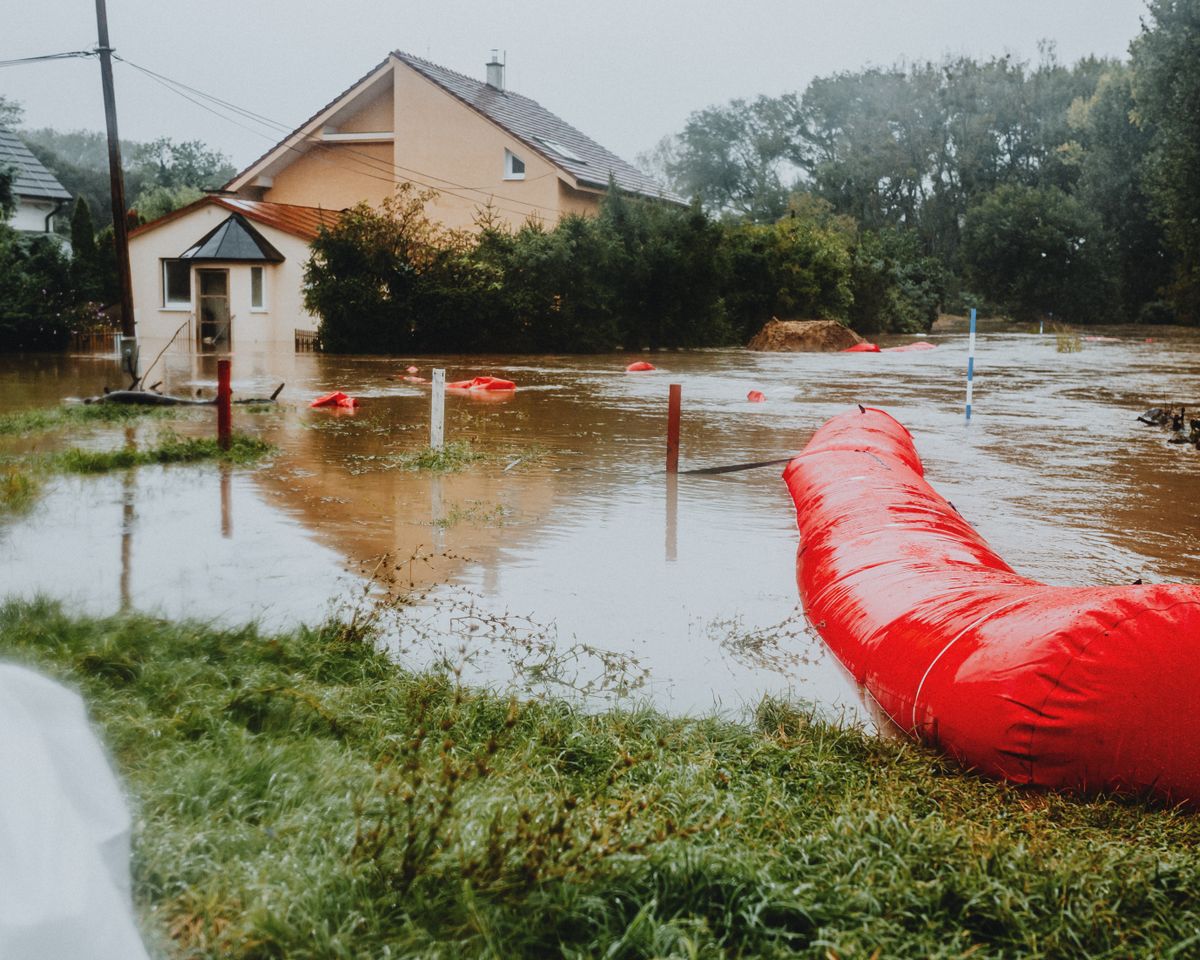
Emergency drain service in Loveland covers sewage backups, overflowing toilets and floor drains, and main sewer line clogs that make the house unusable. Stop using water, keep people away from sewage, and call (970) 693-9705. The provider you are connected with clears the line first, then helps you find out why it happened.
A drain emergency is any drain or sewer problem that makes the house unsafe or unusable, or that will cause damage if it waits. The clearest examples are sewage backing up into a tub, shower or floor drain; a toilet that overflows each time anything drains; and a main line clog that stops every fixture in the house. Water coming up through a basement floor drain when the washer empties, or a sewer smell that suddenly fills the house, also belong on that list.
Not every clog is an emergency. A single slow sink or one toilet that needs a plunger can usually wait for a normal appointment, as long as other drains are working. The test is simple: if you cannot use water without making things worse, or if sewage is in a living space, treat it as urgent.
Emergency service is the same work done on short notice. The provider's first goal is to stop the backup and get waste flowing out of the house again, usually by clearing the main line from a cleanout. Once water is moving, they look for the cause, sometimes with a camera, so you know whether you are dealing with a one-time clog or something that will come back.
Because the providers you reach through (970) 693-9705 are independent businesses, they set their own prices, including any after-hours rates. Ask about price and arrival time before you agree to a visit.
Which drains are backing up, whether sewage is in the house, and where your cleanout is if you know. This helps the provider bring the right equipment.
The provider tells you when they can arrive and how they price emergency calls, so you can decide before anyone heads out.
At the house, the provider finds the cleanout or another access point and clears the blockage, usually with a cable machine or high-pressure water.
Once water is flowing, the provider looks for why it happened. A camera inspection may be recommended if roots, a broken pipe or a sag are suspected.
You get an explanation of what was found and whether follow-up work is needed. Ask for anything further in writing before agreeing to it.
Waste coming up at the lowest drain in the house means the main line is blocked downstream.
If sinks, tubs and toilets on all floors stop draining together, the problem is in the main.
Water rising in a toilet when the shower or washer drains is a classic main line warning.
A sudden, strong odor can mean a broken pipe, a dry trap or a backup out of sight.
Water seeping from a yard or basement cleanout cap shows the line is full and under pressure.
If drains overflow during or after heavy rain or snowmelt, water may be getting into the sewer system.
More than one drain slow at once? That points to the main line. Talk it through on the phone.Open 24/7 · Talk to a local provider in Loveland
Call 24/7 (970) 693-9705Grease, wipes and food. The most common cause of a sudden main line backup is a slow buildup that finally closes off. The City of Loveland warns that fats, oils and grease can plug sewer lines and cause backups that damage homes, and it offers Fat Trapper kits for collecting cooking grease at the Service Center at 920 S. Boise Ave and the Utility Billing Office at 500 E. Third St. So-called flushable wipes catch on the grease and make it worse.
Roots. Tree roots grow into joints a little at a time, then trap enough paper and waste to block the line in a single day. Loveland has about 25,000 public trees, roughly 20 percent of them ash, and many older lots have mature trees close to the sewer line.
Damaged pipe. Clay pipe that cracks as soil shifts, Orangeburg pipe that collapses with age, and joints pulled apart by expansive clay soil can all cause a backup that no amount of cleaning will fully fix.
Cold and water. Winters here are cold, with an average January low around 12.9 degrees and about 47 inches of snow a year. Most sewer lines sit below the city's 30-inch frost depth, but shallow sections can freeze. At the other extreme, the September 2013 Big Thompson River flood left floodwater in sewer lines and disrupted the city's wastewater pumping, a reminder that very heavy water events can affect the whole system, not just one house.
Find your sewer cleanout before you ever need it. It is usually a capped pipe in the basement, crawl space, garage or yard near the foundation. Telling the provider exactly where it is can save real time on an emergency call.
Call right away if sewage is in the house, if every drain is backing up, if a toilet overflows whenever other fixtures drain, or if you need to use water and cannot. Also call promptly if a backup is near a furnace, water heater or electrical panel, or if anyone in the home is especially vulnerable to illness.
It can usually wait for a regular appointment if only one fixture is affected and the others drain normally. A single slow kitchen sink or a bathroom drain clogged with hair is a job for clogged drain repair Loveland, and you can avoid after-hours rates by scheduling it during the day.
If backups keep happening, an emergency call clears the symptom but not the cause. Grease-heavy lines are often cleaned with hydro jetting Loveland, and a line with roots or broken sections may need sewer line repair Loveland. Ask the provider what they saw and what would keep it from happening again.
Sewage in the basement at night? Stop using water and call now.Open 24/7 · Talk to a local provider in Loveland
Call 24/7 (970) 693-9705
The provider asks which fixtures backed up first and looks at the lowest drains in the house.
They locate the main cleanout. If there is none, a toilet may be pulled to reach the line.
A cable machine or water jet is run through the line until it flows freely.
Water is run through fixtures to confirm drainage. A camera pass may be offered to see the cause.
The provider explains what caused the backup and what follow-up, if any, they recommend.
Water coming up in the floor drain? Call (970) 693-9705 for a local provider.Open 24/7 · Talk to a local provider in Loveland
Call 24/7 (970) 693-9705| Situation | Emergency call | Scheduled visit |
|---|---|---|
| Sewage in the house | Yes, call now | Not appropriate |
| All drains backing up | Yes, the main is blocked | Only if you can avoid all water use |
| One slow sink or tub | Usually not needed | Yes, book a regular visit |
| Recurring clogs every few months | Only if it is backing up now | Yes, book a camera inspection |
| Sewer smell with no backup | If strong or sudden | Otherwise schedule a check |
| Factor | Why it matters | What to ask on the call |
|---|---|---|
| Time of the call | Nights, weekends and holidays may be priced differently by the provider. | Do you charge differently after hours? |
| Location of the clog | A clog in the main line takes more work than one in a single fixture. | Is the price for the main line or one fixture? |
| Access | A reachable cleanout is faster than pulling a toilet or working from a roof vent. | Does the price change if there is no cleanout? |
| Method | Cable machines and high-pressure water jets use different equipment. | Which method will you use, and why? |
| Follow-up work | A camera inspection or repair after the line is cleared adds to the job. | What is included tonight, and what would be separate? |
Loveland has treated wastewater since 1902, and the city's system now serves more than 30,000 homes and businesses. Most backups start in a home's own line, but sometimes the city main is the source. Clues include several neighbors reporting backups at once, manholes overflowing in the street, or a backup that begins without anyone in the house using water.
If you see those signs, call Loveland Water and Power at 970-962-3000 to report it. You can also call (970) 693-9705; a provider can open your cleanout and tell you whether your line is full because of a blockage on your side or because water is backing up from the street. Knowing the difference matters because the city's newsletter places clogs in the home's sewer lines on the homeowner. Neighborhoods with many newer homes, such as those described on our Centerra east Loveland drain cleaning page, can have different patterns than the older core, so mention when your home was built.
More than one drain slow at once? That points to the main line. Talk it through on the phone.Open 24/7 · Talk to a local provider in Loveland
Call 24/7 (970) 693-9705Sewage carries bacteria and other germs. Do not let children or pets touch it, wear gloves and boots if you must go near it, and wash thoroughly afterward. If water is near electrical outlets or appliances, stay out and leave it to professionals. If you smell gas or anyone feels ill, leave the house and call 911.
Once the line is flowing, the cleanup begins. Small, clean-water overflows can often be handled by the homeowner with gloves, a wet vacuum and disinfectant. Sewage on carpet, drywall or stored belongings is a different matter; many people call a water damage restoration company, and your insurance company may have requirements, so check your policy before throwing anything away. Photos taken during the backup help.
Prevention depends on the cause. If grease was the problem, collect cooking fat in a container or one of the city's Fat Trapper kits and put it in the trash. Our article on how grease causes sewer backups explains why rinsing grease with hot water only moves the problem further down the pipe. If roots were involved, ask about a camera inspection so you can see how bad the joints are. If the line froze, ask the provider which section is shallow or exposed.
Before any repair beyond clearing the line, confirm the contractor's credentials. Colorado plumbers are licensed by the state's Examining Board of Plumbers, and you can check a license with the DORA license lookup. Rental and multi-family properties also need a City of Loveland contractor's license for plumbing work; the Building Division at 970-962-2505 can confirm it.
When the emergency is over, the drain cleaning Loveland overview helps you plan the follow-up.
Stop all water use in the house, including the washer, dishwasher, showers and toilets, because everything you drain ends up at that low point. Keep children and pets out of the area, do not walk through the water if outlets or appliances are near it, and call for help. Floor drains overflow first because they are usually the lowest opening on the line.
The City of Loveland's newsletter says a clog in the home's sewer lines is the homeowner's responsibility. If neighbors on your street are having the same problem at the same time, the city main may be involved; call Loveland Water and Power at 970-962-3000 to report it. The provider you are connected with can also help tell the difference once the line is opened.
It is uncommon but possible. Loveland's average January low is about 12.9 degrees, and the city's design frost depth is 30 inches, so most sewer lines are buried below it. Shallow sections, lines in unheated crawl spaces and pipes where water sits in a sag are the usual places trouble starts. Our article on can a sewer line freeze in winter goes into the details.
It often is. The city warns that fats, oils and grease can plug sewer lines and cause a backup that damages your home. Grease cools and hardens in the pipe, then catches food and wipes. Tell the provider what went down the drain so they can choose the right tool.
Calls are answered 24/7. Whether a provider can come right away depends on who is available and how far they are from your address, so ask about timing on the call. If you can stop using water and the sewage is contained, some people choose a first-thing morning visit.
No. Chemical openers rarely clear a main line clog, and they leave caustic water sitting in the pipe and in any overflow, which is a hazard for you and for the person who opens the line. A plunger on a single toilet is fine; anything beyond that is best left to the provider.
One slow sink, tub or toilet? A provider finds where the clog sits and clears it without harsh chemicals.

Roots, a cracked joint or a sag in the line out to the street, fixed at the damaged spot.

For worn clay, cast iron or Orangeburg pipe that keeps failing, replace the run instead of patching it again.
High-pressure water scours grease, sludge and fine roots off the pipe wall, not just a hole through the clog.
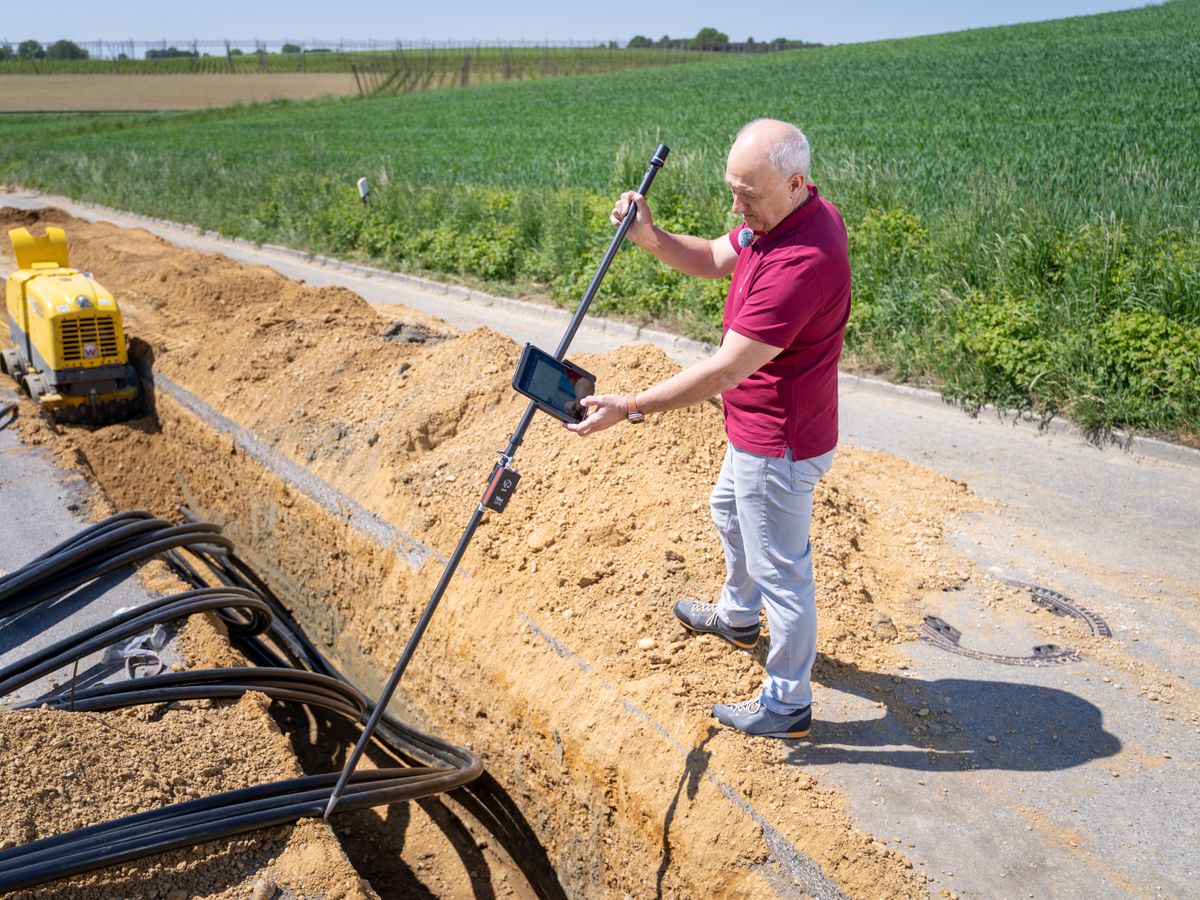
A camera on a cable shows what is inside the line, so you see the problem before anyone digs.

Lining or bursting a damaged line through small access pits can save lawns, trees and driveways.

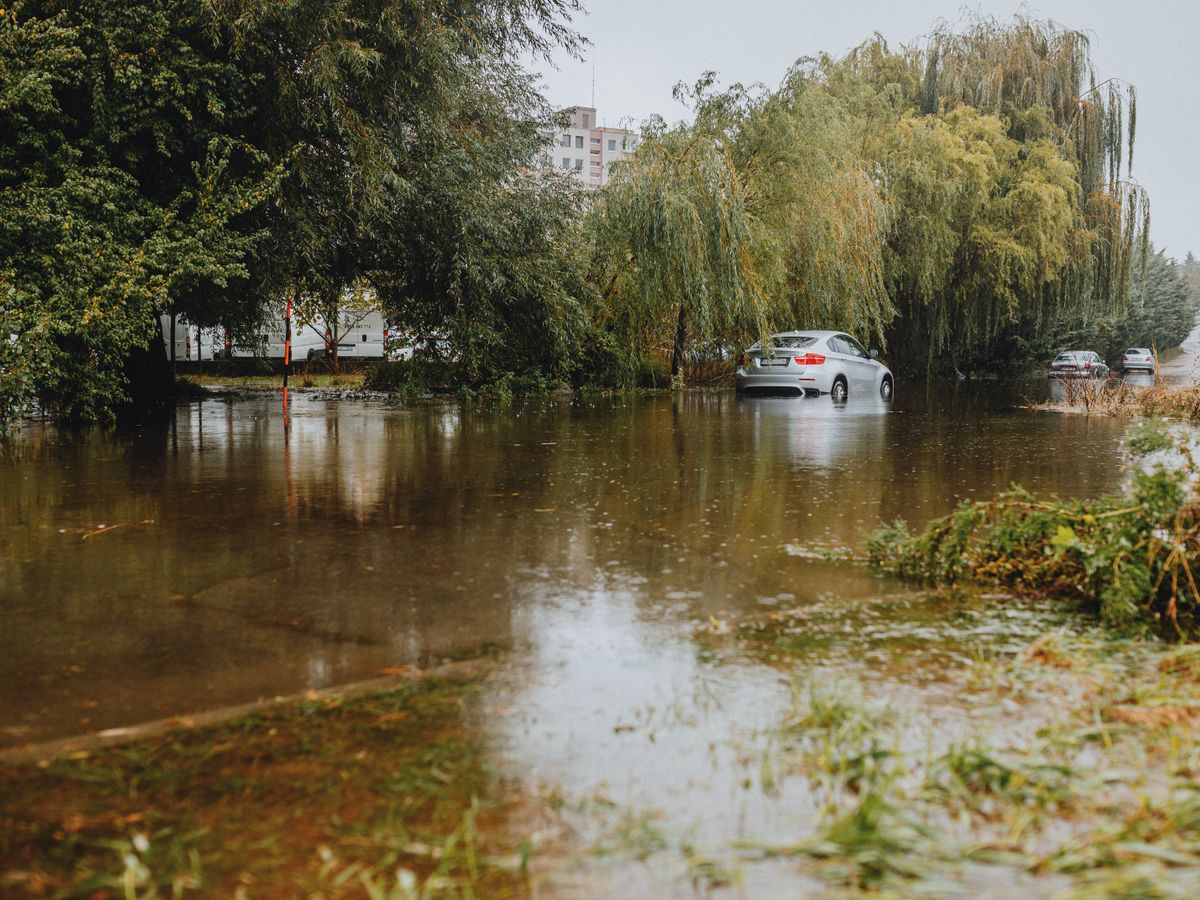

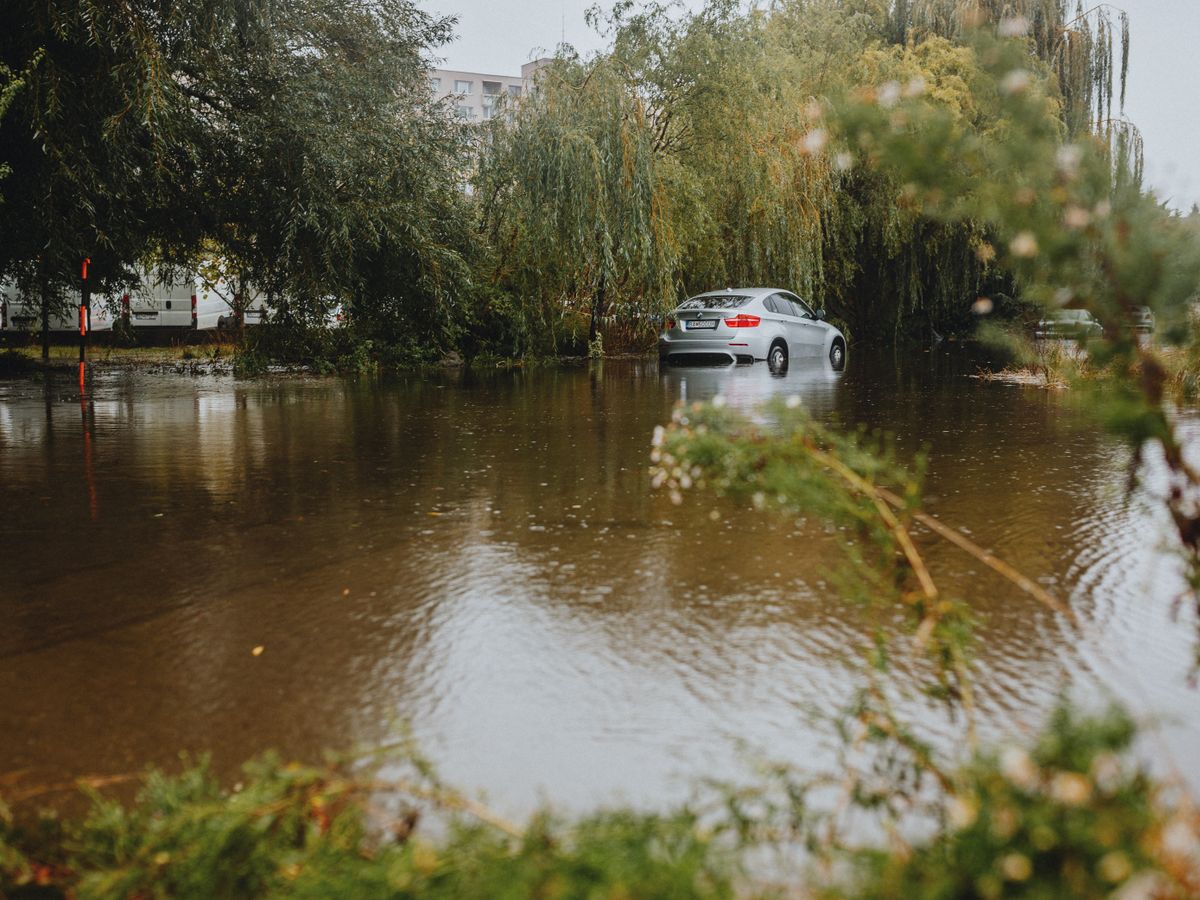
Representative photos of the kind of work local providers handle.
Talk to a local provider
One call connects you with an independent drain and sewer contractor who works in Loveland. They explain the likely cause and how the price is set before any work starts.
(970) 693-9705