
Sewer Line Repair
Roots, a cracked joint or a sag in the line out to the street, fixed at the damaged spot.
View service (970) 693-9705
A sink that drains in slow motion, a shower that leaves you standing in an inch of water, a toilet that gurgles when the washer empties. Most Loveland homes deal with a clogged drain sooner or later, and one call to (970) 693-9705 connects you with an independent local provider who can clear it.
Loveland Drain Clean is a free referral service, not a plumbing company. Calls are answered by independent local providers who set their own prices.

Clogged drain repair means finding where a drain is blocked and clearing it with the right tool, usually a cable machine for a single fixture or a jetter for grease and buildup. In Loveland, call (970) 693-9705 any time and we connect you with an independent local drain contractor who sets their own price and explains it before starting.
Clogged drain repair is the work of finding where water stops moving and opening that spot back up. It covers kitchen sinks, bathroom sinks, tubs and showers, toilets, laundry standpipes and basement floor drains. Most clogs sit within a few feet of the fixture, in the trap or the short branch line that runs to the main stack. Some sit much farther down, in the main building drain or the sewer line out to the street.
The location matters because it changes the tool. A small hand cable or a drum machine with a narrow cable is right for a sink or tub branch. A heavier sectional machine reaches main line clogs through a cleanout. When the problem is grease coating the whole inside of the pipe, cutting a hole through it with a cable only buys a few weeks, and a provider may suggest hydro jetting Loveland instead.
Repair also means answering why it happened. A good contractor tells you what came out of the pipe, whether it looked like a one-time blockage or a sign of a deeper issue, and whether a camera look is worth it. This page covers fixture and branch clogs in detail. For the wider picture of what local providers handle across town, see drain cleaning Loveland.
We are a referral service, not a plumbing company. When you call (970) 693-9705, the call is routed to an independent local provider. They decide the price, the method and the schedule, and they should explain all three before any work starts.
The provider asks which fixtures are slow, whether they back up into each other and when it started. One fixture points to a branch line; several at once point to the main.
For a sink that may mean removing the trap. For deeper clogs it means the nearest cleanout, which in many Loveland basements is near the floor drain or where the main leaves the foundation.
A narrow cable for small lines, a larger head for the main. The goal is to open the line fully, not just poke a small hole through the blockage.
Water is run through every affected fixture, often several at once, to confirm the line carries a real load and does not slow down again.
Hair, grease, wipes, roots or a broken section each lead to different advice. If the cable came back with roots or the clog felt like a hard stop, ask about a camera inspection.
The shower floor or tub holds water for minutes after you turn the tap off.
A sink or toilet gurgles when another fixture drains, a sign air is being pulled past a partial blockage.
Sour or sewer-like odors come up from a sink or floor drain even when it is clean.
Water appears in the basement floor drain when the washer or dishwasher empties.
The toilet clears with a plunger but clogs again within days, which points past the toilet itself.
The tub backs up when the toilet flushes, a sign the shared line or main is involved.
More than one drain slow at once? That points to the main line. Talk it through on the phone.Open 24/7 · Talk to a local provider in Loveland
Call 24/7 (970) 693-9705Kitchen clogs are mostly fats, oils and grease. Hot grease runs down the drain as a liquid and turns solid as it cools in the pipe, and every dinner adds a layer. The City of Loveland's wastewater pretreatment program warns that grease can plug the city's sewer lines and cause backups that damage homes, and it offers free Fat Trapper kits at the Service Center at 920 S. Boise Ave and the Utility Billing Office at 500 E. Third St.
Bathroom clogs are mostly hair tangled with soap residue, plus anything that should not be flushed. Wipes, paper towels, dental floss and hygiene products are frequent offenders. Because Loveland's water is soft, at about 27 mg/L average hardness in the city's 2024 report, soap rinses differently than it does in hard-water towns, but soap film still binds hair together inside a trap.
Older houses add their own risk. Homes in the West 5th Street Historic District were mostly built between 1900 and 1910, and the downtown historic district's significance reaches back to 1878. Houses that age can still have original cast iron or clay drain lines, which are rougher inside than modern PVC and catch debris more easily. Cast iron corrodes and scales inside over decades, narrowing the pipe even without hard water.
Cold weather plays a smaller part. Loveland's average January low is about 12.9 degrees and the city designs to a 30-inch frost depth, so lines in unheated crawlspaces, garages or exterior walls can slow down in a cold snap if water sits in them. That is less common than a grease or hair clog, but worth mentioning if your slow drain shows up only in deep winter.
Finally, roots. Ash trees make up roughly 20 percent of Loveland's public tree canopy, and many mature trees of all kinds grow along older streets. Roots find small leaks in joints and grow inside the pipe, where they act like a net for paper and grease. A clog that comes back every few months, especially in an older home, is often a root problem, not a kitchen habit.
Before you call, run water in one fixture at a time and note which ones are slow, which back up into another, and whether the basement floor drain fills. That two-minute check tells the provider whether to bring a small cable or a main line machine.
Loveland's housing stock ranges widely, and that changes how a clog is handled. A 1900s home near West 5th Street may have a cast iron stack inside and a clay line outside, with joints every few feet. A provider working there should use a cutting head sized for the pipe and go carefully at the joints, because aggressive tools can crack old pipe that is already fragile. If the clog keeps returning, a camera is often the honest next step before anything else.
Newer subdivisions, including much of east Loveland and the neighborhoods near Centerra, mostly have plastic drain lines. Plastic is smooth inside and less likely to catch debris, so a clog there is more likely to be a single blockage or a grease problem in the kitchen line. Homes on expansive clay soils, which the Colorado Geological Survey calls the state's most significant geologic hazard, can still develop sags or offsets that hold water and debris.
If you live in or near the historic core, our Downtown Loveland drain cleaning page talks about the older pipe you are likely to have. If the provider finds a hard stop or keeps pulling up roots, a sewer camera inspection Loveland shows whether the problem is a clog or a damaged section of pipe.
Sewage in the basement at night? Stop using water and call now.Open 24/7 · Talk to a local provider in Loveland
Call 24/7 (970) 693-9705
Which drains, how long, any recent work, any wipes or grease, and whether you have had the same clog before.
The provider finds the trap or cleanout they will use and protects the floor around it.
They explain the method and their price for it before starting. Ask what happens if the first method does not clear it.
The line is cleared, then tested with real flow from more than one fixture.
What came out, whether a camera is worth it, and simple habits that keep that drain open.
Water coming up in the floor drain? Call (970) 693-9705 for a local provider.Open 24/7 · Talk to a local provider in Loveland
Call 24/7 (970) 693-9705| Single fixture clog | Main line clog | |
|---|---|---|
| What you notice | One sink, tub or toilet is slow | Several fixtures slow or backing up together |
| Common cause | Hair, soap film, food, grease in one branch | Wipes, grease, roots or a broken section |
| Floor drain | Usually unaffected | Often the first place water shows up |
| Typical access | Trap or fixture drain | Main cleanout or pulled toilet |
| Usual next step | Clear and test | Clear, then consider a camera look |
| Factor | Why it matters | What to ask on the call |
|---|---|---|
| Where the clog is | A sink trap is quicker to reach than a main line 60 feet out | Do you think this is a branch line or the main? |
| Access to a cleanout | No cleanout can mean pulling a toilet or working through a roof vent | Where will you access the line, and is there extra work involved? |
| What the clog is made of | Roots or heavy grease can take more time or a different tool than hair | What will you do if the cable comes back with roots? |
| Time of the call | Some providers charge differently for nights, weekends and holidays | Is there a different rate for after-hours service? |
| Follow-up work | A camera inspection or jetting is a separate service with its own price | Is a camera look included, or is it extra? |
Some clogs are an inconvenience; others are urgent. If sewage is coming up into a tub, shower or floor drain, if the only toilet in the house is backed up, or if water is spreading toward finished flooring, drywall or a furnace, treat it as urgent. Stop using water in the house, including the dishwasher and washer, because every gallon you send down the drain has to go somewhere.
Calls to (970) 693-9705 are answered 24/7, and we can connect you with a local provider who handles after-hours work. Our emergency drain service Loveland page explains what to do in the first half hour. If you are not sure whether your problem is a single drain or the main line, the article on signs of a main sewer line clog walks through the clues.
Keep people and pets away from any sewage, and do not try to clean it up with bare hands. A backup from the main line can carry bacteria that need proper cleaning and disinfection after the line is open.
More than one drain slow at once? That points to the main line. Talk it through on the phone.Open 24/7 · Talk to a local provider in Loveland
Call 24/7 (970) 693-9705Never open a main cleanout cap while the line is backed up. The water above the clog is under pressure and can blow sewage into the room. Let the provider open it with the right equipment and a plan for the water.
Most clogs are preventable. In the kitchen, wipe greasy pans with a paper towel before washing them and pour cooled grease into a container, or pick up a free Fat Trapper kit from the city. Use a basket strainer in the sink and empty it into the trash. If you have a disposal, run plenty of cold water with it and keep fibrous scraps, coffee grounds and eggshells out of it.
In the bathroom, a simple hair catcher in each shower and tub drain saves a lot of trouble. Flush only toilet paper. If you have been wondering are flushable wipes safe for sewer lines, the short answer is that they are a frequent cause of clogs, especially in older pipe.
For older homes, a clog that keeps returning is a message. Rather than clearing it over and over, ask the provider about a camera look to see whether roots, a sag in clay soil or a cracked section is catching debris. Fixing the cause once usually costs less over time than repeated cable visits, and it lowers the chance of a backup in the basement on a holiday weekend.
Finally, know where your cleanout is and keep it clear of storage. In many Loveland basements it sits near the floor drain or the front foundation wall. A provider who can reach it in seconds spends less time on access and more time on the actual clog.
Usually not. When one fixture is slow and everything else drains normally, the clog is almost always in that fixture's trap or branch line. Grease, food scraps and soap film are the common culprits in a kitchen. If the tub, toilets and floor drain start acting up too, the blockage is more likely in the main line, and the provider will treat it differently.
It makes scale less likely. Loveland's 2024 water quality report lists average hardness at about 27 mg/L, which the city calls soft. That means the thick mineral crust you see in hard-water towns is less common here, so slow drains in Loveland more often come down to grease, hair, soap residue, wipes or roots than to scale.
Call (970) 693-9705 and describe exactly where the water came up and when. A floor drain is often the lowest opening in the house, so it is the first place a main line blockage shows. The provider can check whether the clog is in your line, which the city says is the homeowner's responsibility, and tell you if anything points to a problem on the city side.
They are one of the most common reasons. Wipes do not break apart the way toilet paper does, so they snag on rough spots in older pipe and build up. In older Loveland homes with clay or cast iron lines, a few wipes can be enough to start a recurring clog.
It is better not to. Caustic openers rarely clear a solid blockage, they can sit in the pipe and damage older metal or plastic, and they make the job dangerous for whoever opens the line next. If you already used one, tell the contractor before they start.
Ask them. Colorado licenses plumbers through the state Examining Board of Plumbers, and you can look up a license on the state's DORA license lookup site. If the home is a rental or multi-family building, the City of Loveland also requires a city contractor's license for plumbing work, which you can check at 970-962-2505.
Roots, a cracked joint or a sag in the line out to the street, fixed at the damaged spot.
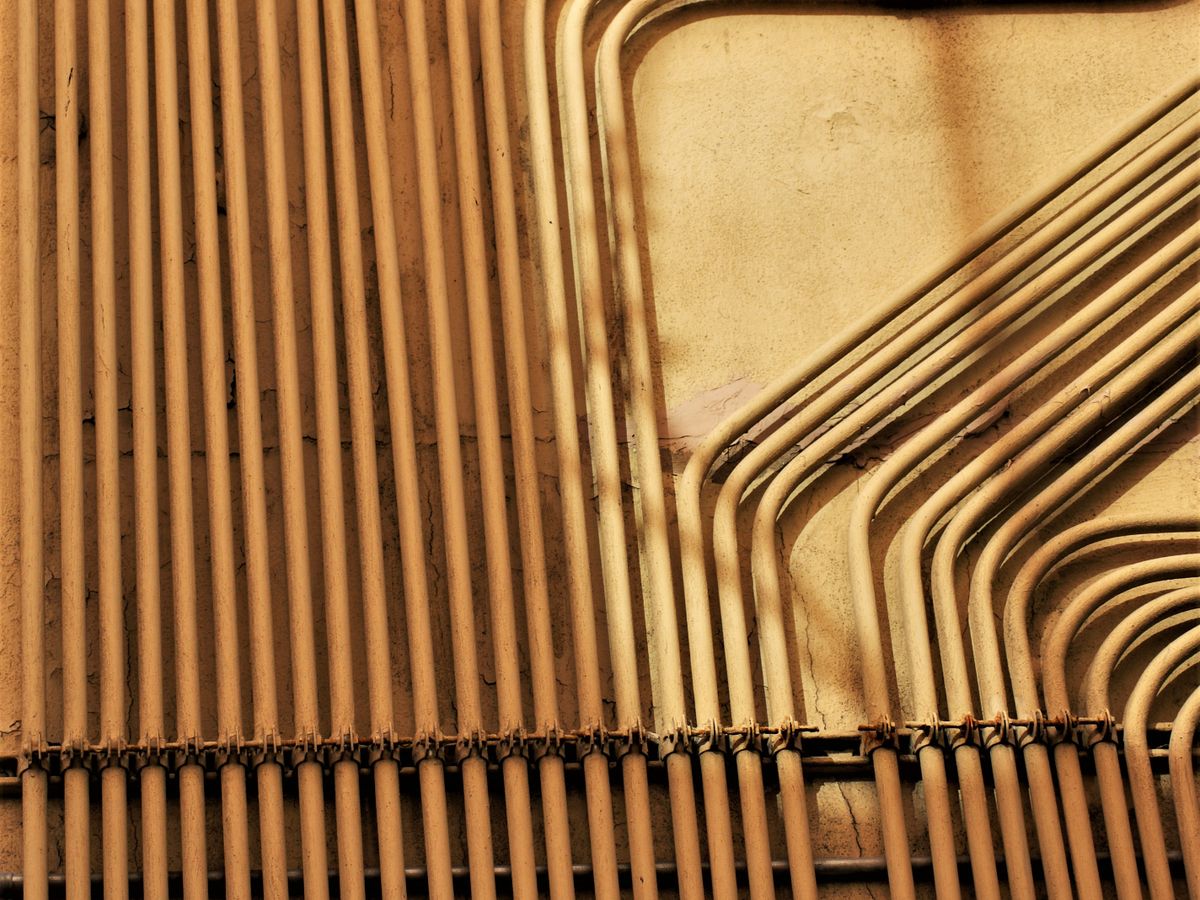
For worn clay, cast iron or Orangeburg pipe that keeps failing, replace the run instead of patching it again.
High-pressure water scours grease, sludge and fine roots off the pipe wall, not just a hole through the clog.
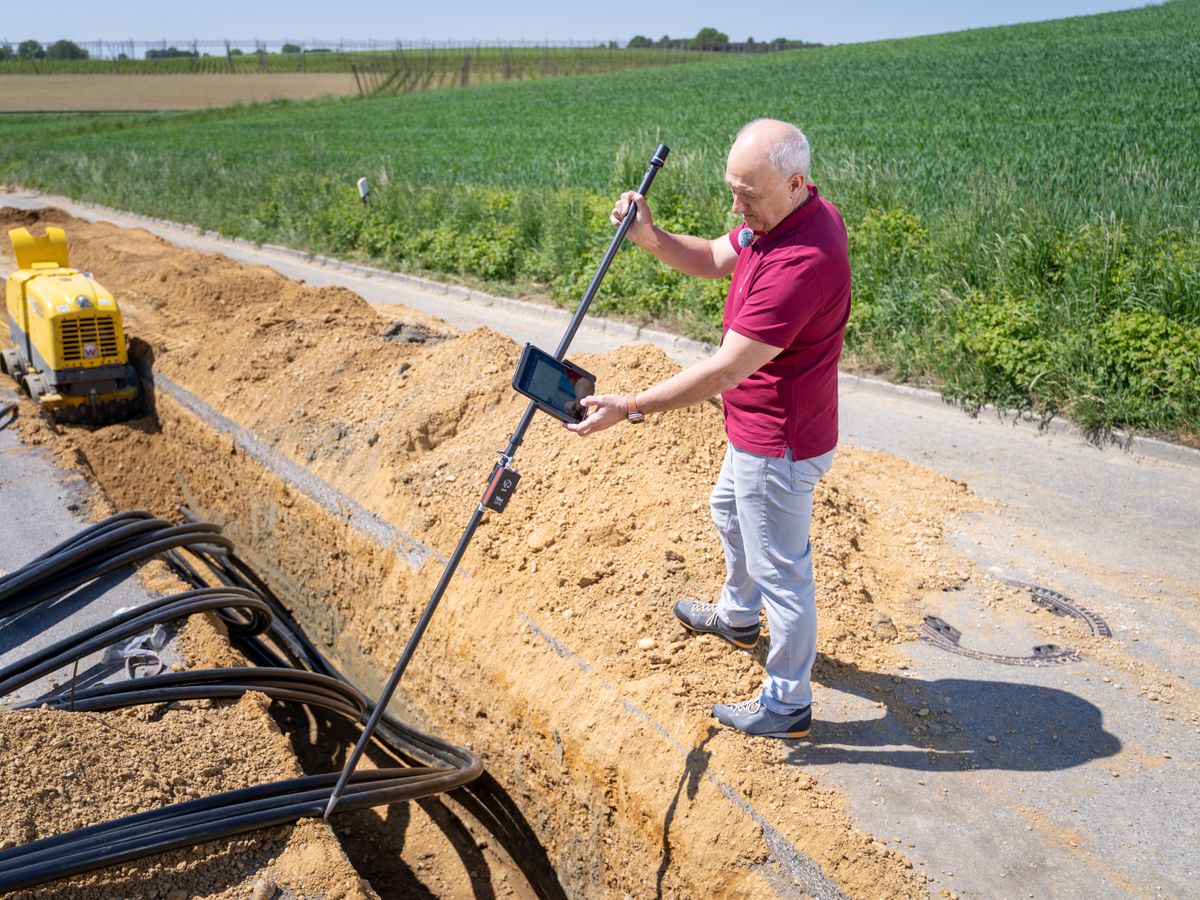
A camera on a cable shows what is inside the line, so you see the problem before anyone digs.
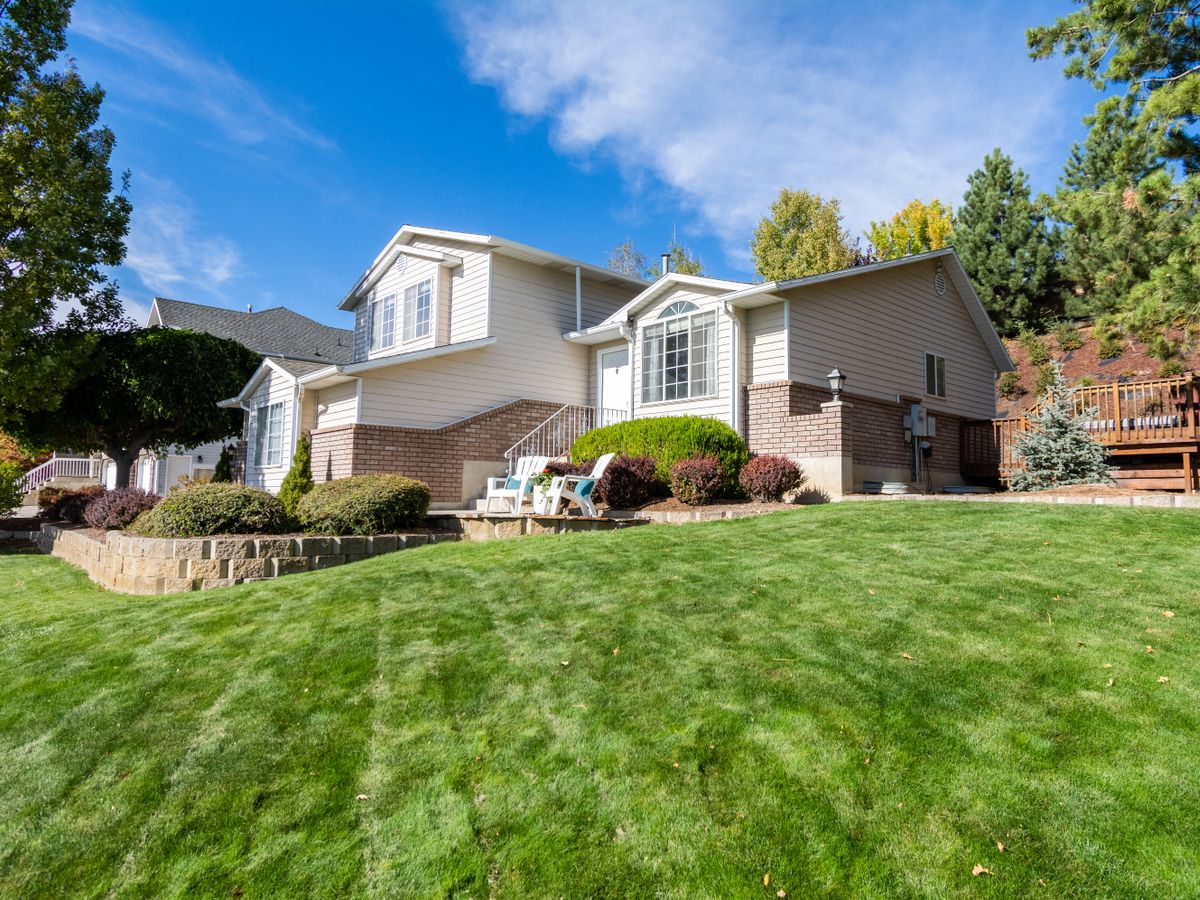
Lining or bursting a damaged line through small access pits can save lawns, trees and driveways.

Sewage at the floor drain or every fixture backing up? Calls are answered day and night.
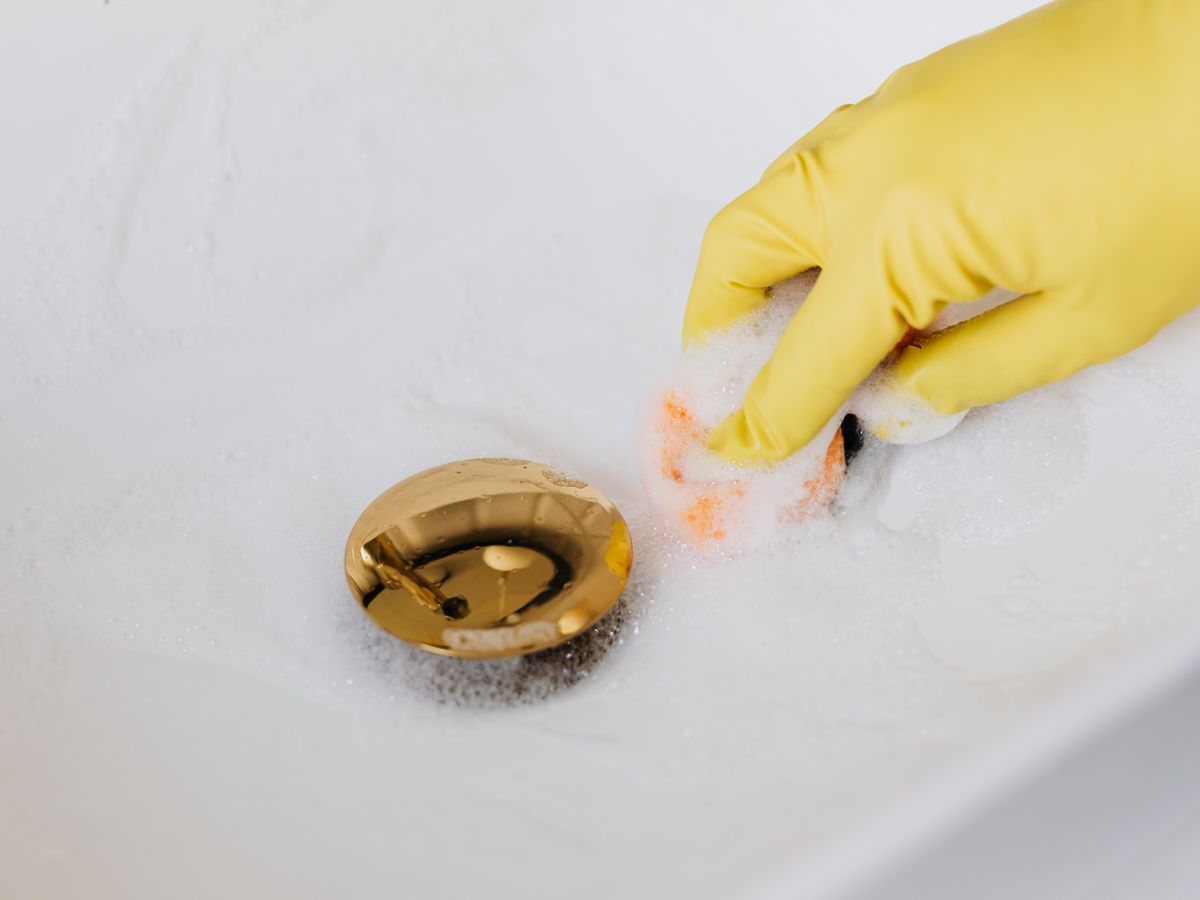


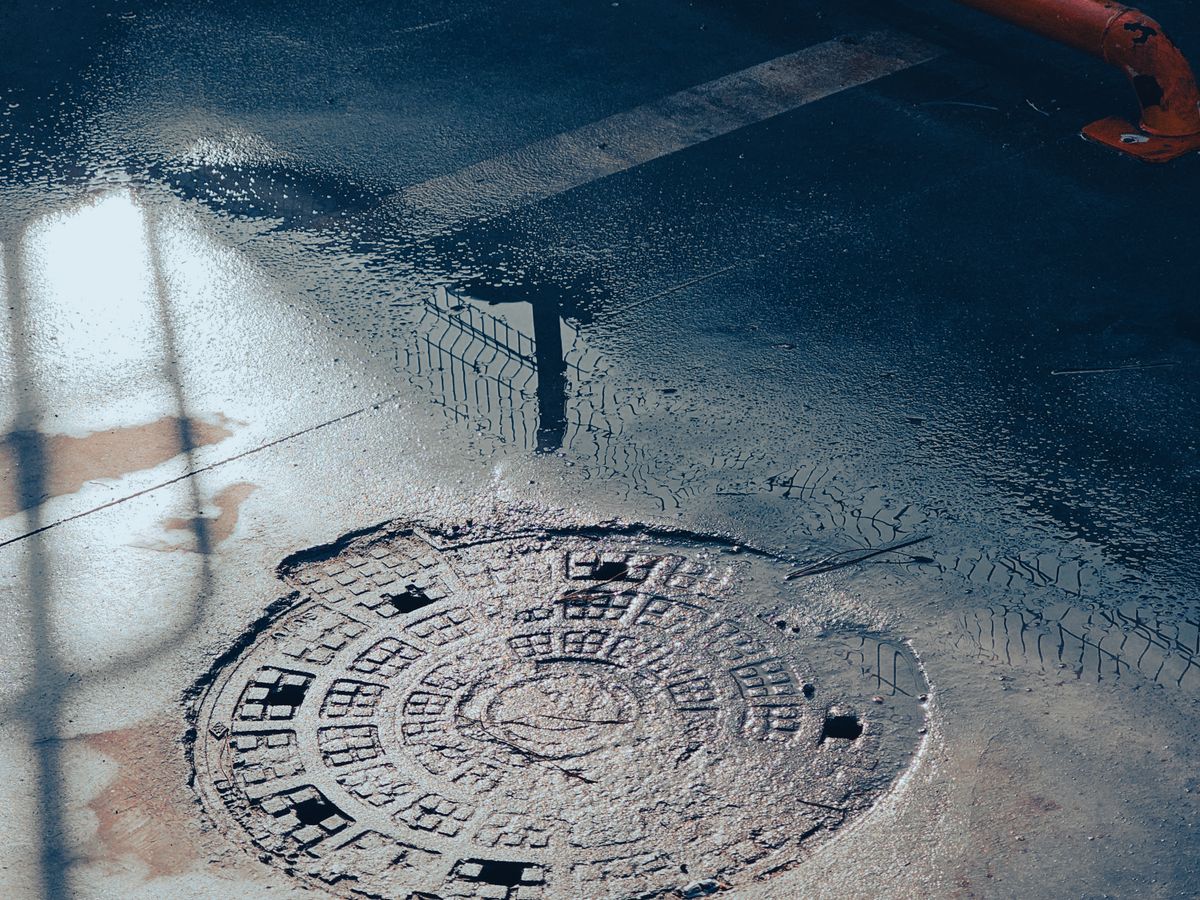
Representative photos of the kind of work local providers handle.
Talk to a local provider
One call connects you with an independent drain and sewer contractor who works in Loveland. They explain the likely cause and how the price is set before any work starts.
(970) 693-9705