
Local problem · November 4, 2026
Who Pays for a Clogged Sewer Line
What the city says about sewer clogs, shared lines and who pays for what.
Read the guide
Published November 4, 2026 · Loveland Drain Clean
The package says flushable, and they do go down the toilet. The question is what they do after that, in your pipes and in the city sewer.
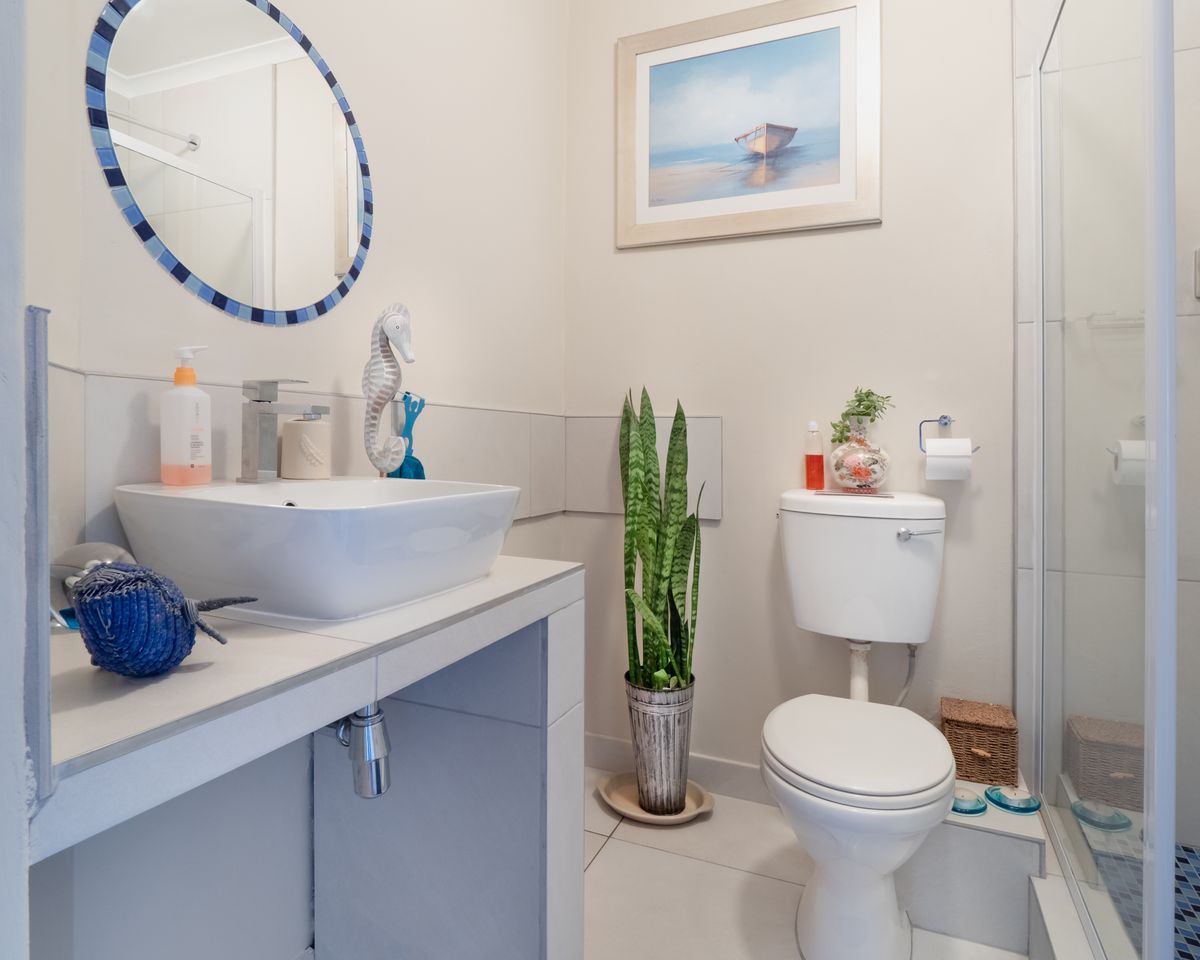
Not really. Wipes labeled flushable will leave the toilet bowl, but most do not break apart quickly the way toilet paper does. They travel into the drain line still mostly intact, where they can snag on rough spots, joints and roots, collect grease and other debris and eventually block the pipe.
The safest rule is simple: flush only toilet paper and human waste. Wipes of every kind, including baby wipes, cleaning wipes and those sold as flushable, belong in the trash.
Toilet paper is designed to fall apart in water within seconds. Wipes are designed to stay strong when wet, because that is what makes them useful. Those two goals do not fit together well. A wipe may soften over a long time, but a household sewer line moves waste out to the street in minutes, long before most wipes have broken down.
The word flushable on a package mostly means the wipe will clear the toilet and its trap. It says little about what happens in a long run of older pipe with a few bumps and bends along the way, which describes many real sewer lines.
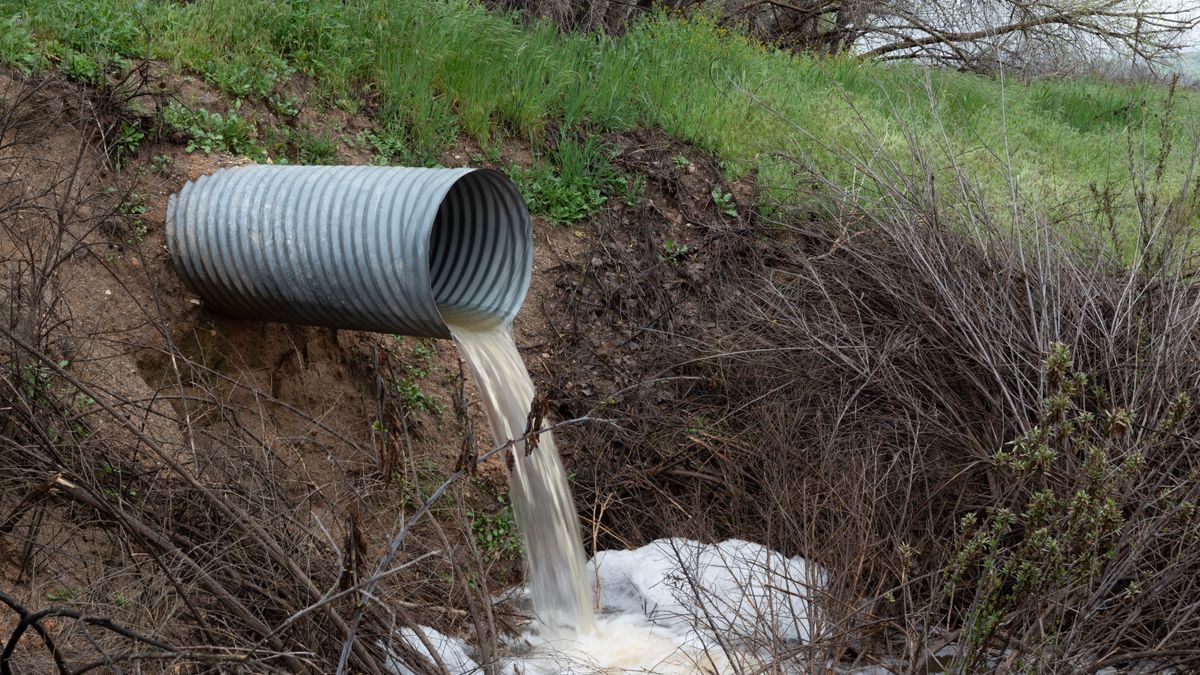
More than one drain slow at once? That points to the main line. Talk it through on the phone.Open 24/7 · Talk to a local provider in Loveland
Call 24/7 (970) 693-9705Wipes catch on anything they can. In a home's sewer line that might be a joint in clay pipe that has shifted slightly, a rough patch of corroded cast iron, a sag where water and solids sit, or a few fine roots that have grown in through a joint. Once one wipe snags, the next one catches on it, and a mat begins to form.
Grease makes this worse. Loveland Water and Power warns that fats, oils and grease can plug sewer lines and cause backups that damage homes. When grease coats the pipe and wipes are added to the mix, the two bind into a tough, rope-like mass that is much harder to clear than either one alone.
If a toilet backs up or several fixtures drain slowly, stop flushing and running water until the line is cleared. A plunger may help with a clog in the toilet itself, but a wipes clog farther down the line usually needs a cable machine or water jetting to break up and pull out the mass.
Our page on clogged drain repair Loveland explains what a provider typically does to clear stubborn blockages. If clogs keep returning, ask for a camera look to see whether a joint, sag or root intrusion is catching debris.
Sewage in the basement at night? Stop using water and call now.Open 24/7 · Talk to a local provider in Loveland
Call 24/7 (970) 693-9705Wipes that make it past your property line still have to go somewhere. Loveland's wastewater system serves more than 30,000 homes and businesses, and the city has treated wastewater since 1902. Wipes and grease that build up in public lines and pumps can contribute to blockages that affect whole neighborhoods, not just the house where they were flushed.
Keeping wipes in the trash is one of the easiest things a household can do to protect both its own pipes and the shared system. Grease goes in the trash too; the city offers free Fat Trapper kits at 920 S. Boise Ave and 500 E. Third St.
The practical fix is a small lidded trash can next to every toilet, so wipes have an easy place to go. If children use wipes, a quick explanation and a visible bin usually do the trick. Guests may not think about it, so a small, polite note in the guest bathroom can help. In a rental or a home with roommates, a quick reminder when someone moves in saves a lot of trouble later.
If you rely on wipes for health or comfort reasons, you do not need to stop using them. Just bag them and toss them rather than flushing.
Flushable wipes are flushable only in the narrowest sense. They leave the toilet, but they can stay intact long enough to snag and build clogs in your line and in the city's. Toilet paper only is the rule that keeps pipes clear.
If wipes have already caused trouble, Loveland Drain Clean can help. We are a free referral service; call (970) 693-9705 and we will connect you with an independent local provider who can clear the line. For a full overview of what we route calls for, see drain cleaning Loveland.
Water coming up in the floor drain? Call (970) 693-9705 for a local provider.Open 24/7 · Talk to a local provider in Loveland
Call 24/7 (970) 693-9705Local problem · November 4, 2026
What the city says about sewer clogs, shared lines and who pays for what.
Local problem · November 4, 2026
Roots, emerald ash borer and what a declining ash means for your sewer line.
Local problem · November 4, 2026
How swelling and shrinking clay soil affects the sewer line under your yard.
No. Being on city sewer does not change how wipes behave in your own line on the way to the street, and wipes that do reach the public system can contribute to blockages in shared lines and pumps too.
Lines change. Roots, soil movement or a shifted joint can create a snag point, and wipes are often what turns it into a backup.
They are not designed to break down wipes in a main line. A clog made of wipes usually needs mechanical clearing.
Talk to a local provider
One call connects you with an independent drain and sewer contractor who works in Loveland. They explain the likely cause and how the price is set before any work starts.
(970) 693-9705