Clogged Drain Repair
One slow sink, tub or toilet? A provider finds where the clog sits and clears it without harsh chemicals.
View service (970) 693-9705
When the same backup keeps coming back, or a camera shows a crack, a root mass or a sag, the pipe itself needs fixing. Call (970) 693-9705 and we connect you with an independent local contractor who handles sewer line repair in Loveland.
Loveland Drain Clean is a free referral service, not a plumbing company. Calls are answered by independent local providers who set their own prices.

Sewer line repair fixes a damaged section of the pipe that carries waste from your house to the city main, such as a cracked joint, a root intrusion, a sag or a collapsed piece. In Loveland the homeowner is generally responsible for the home's sewer line. Call (970) 693-9705 24/7 to reach an independent local contractor who sets their own price.
Your home's sewer line, sometimes called the lateral or building sewer, carries everything from your drains out to the city's main in the street or alley. It usually runs a few feet below the yard, below the 30-inch frost depth the city uses for design, and it can be clay, cast iron, Orangeburg fiber pipe, or plastic depending on when the home was built and whether the line was replaced.
Sewer line repair fixes a specific defect in that pipe without replacing the whole run. Common repairs include cutting out a root-filled joint and replacing a short section, fixing an offset where two pipe pieces have shifted apart, correcting a belly or sag that holds water, and patching a crack from the inside with a liner. The repair can be done by digging at the damaged spot or, in some cases, with trenchless sewer repair Loveland methods that work through an access point.
Repair is different from cleaning. Cleaning, with a cable or a jetter, removes what is in the pipe. Repair fixes the pipe itself so the problem stops coming back. Most repair decisions start with a sewer camera inspection Loveland, because a camera shows exactly where and what the defect is, and how deep and how far from the house it sits.
We are a free referral service. When you call (970) 693-9705, you are connected with an independent local contractor who quotes and performs the work. We do not do repairs ourselves, and we encourage you to check the contractor's state license before you hire.
If the line is backed up, it is opened first so water can flow and the camera can see the pipe.
A camera is run through the line from a cleanout. The provider notes the distance and depth of each defect and records what they see.
A single defect may be dug up and replaced, or lined from inside. The provider explains the options and why one suits your line.
Utility locates are called in before digging. Permits are pulled as needed, including a Major ROW permit if work crosses into the city right-of-way.
The section is repaired, the line is tested with water, and a second camera pass confirms the repair before the hole is closed.
The main line is cleared, then clogs again within weeks or months.
The cable or jetter brings back fine roots or root mats from the line.
A sewage odor near the cleanout or over the line path, with no backup inside.
A wet, green or sinking strip of lawn along the line between the house and street.
Toilets and drains gurgle together when larger amounts of water drain.
An inspection showed a crack, offset joint, belly or broken section.
Sewage in the basement at night? Stop using water and call now.Open 24/7 · Talk to a local provider in Loveland
Call 24/7 (970) 693-9705Soil is a big one. Much of the Front Range sits on expansive clay, and the Colorado Geological Survey calls expansive soil Colorado's most significant geologic hazard, with swelling pressures that can reach 20,000 to 30,000 pounds per square foot. It specifically lists disrupted sewer lines among the damage. As clay wets and dries through the seasons, it pushes on pipe, opens joints, and can create low spots where waste collects.
Tree roots are another. Loveland has roughly 25,000 public trees, and ash accounts for about 20 percent of that canopy. Roots seek out the moisture and nutrients around a small leak at a joint and then grow inside, forming a mat that catches paper and grease. Emerald ash borer was found in Loveland in 2024, and the city has been removing ash trees for years. Removing a tree does not pull its roots out of your pipe.
Pipe age matters. Homes in the historic core and along West 5th Street date largely from 1900 to 1910, and many mid-century homes were built when clay pipe and Orangeburg fiber pipe were common. Orangeburg, made of wood fiber and coal tar, was used until the 1970s and has a useful life of about 50 years at best, so any that remains is past its expected life. In nearby Boulder, the city notes that 1940s to 1960s clay sewer pipe cracks with shifting soils, a pattern that fits much of the Front Range.
Water and silt can also leave their mark. During the September 2013 Big Thompson flood, the river ran at roughly 500 times its seasonal flow, more than three square miles of Loveland flooded, and the city reports that flooded sewer lines disrupted wastewater pumping. Homes in affected areas may have had silt pushed into their lines or saturated ground shift around them.
Day-to-day habits finish the job. Grease that hardens in a sag, or wipes that catch on a root, can turn a minor defect into a full backup. That is why a repair should be paired with a look at what is going down the drains.
If a cable visit brings back roots, ask the provider to note the distance shown on the cable when it hit them. That number helps a camera inspection go straight to the problem spot and makes repair quotes easier to compare.
The best repair depends on the pipe, the depth and what is above it. A clay line under an open lawn may be easiest to repair by digging a single pit at the bad joint and replacing a few feet with modern pipe and proper couplings. A line under a mature tree, a driveway, a patio or landscaping may suit a trenchless approach that limits digging.
Location relative to the street matters too. If the defect is under the sidewalk or the street, that work is in the city right-of-way and needs a Major ROW permit, which is valid for 90 days and requires an inspection request 48 hours in advance. The contractor should account for that in timing.
Newer neighborhoods have their own issues. In the subdivisions near Centerra and The Lakes at Centerra, plastic pipe is the norm, but the Colorado Geological Survey notes that lightly loaded structures on the plains' expansive clay are vulnerable to movement, and the same soil can shift a sewer line. Our Centerra east Loveland drain cleaning page covers those neighborhoods. If roots are the issue, the article on ash tree roots in sewer lines explains what to expect. For soil-related damage, read expansive clay soil and sewer pipes.
If the camera shows the line is failing in many places, a provider may recommend sewer line replacement Loveland instead of repeated spot repairs. Ask for the camera footage either way so you can see what they see.
Water coming up in the floor drain? Call (970) 693-9705 for a local provider.Open 24/7 · Talk to a local provider in Loveland
Call 24/7 (970) 693-9705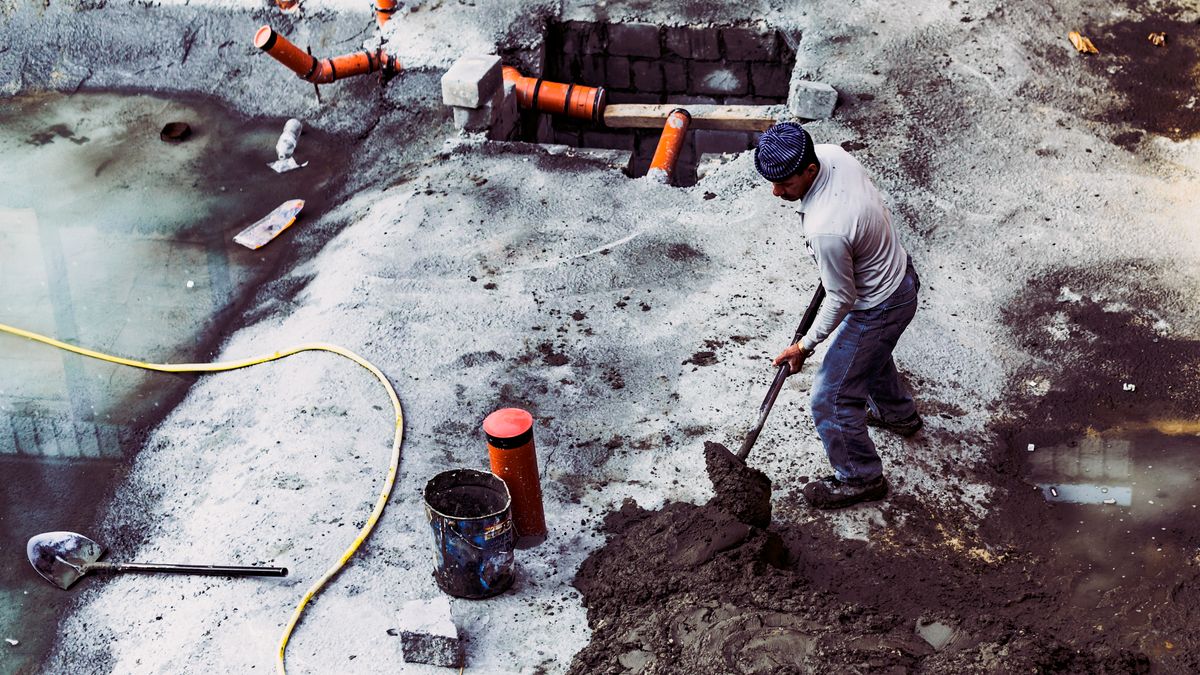
The line is opened if needed, then a camera shows the condition of the pipe from the house to the main.
The provider shows you the defect, explains how far out and how deep it is, and what caused it.
Spot repair, lining or replacement, with their price for each and what permits apply.
Locates are marked, the work area is set up, and the repair is made with the line tested before backfill.
A second look confirms the repair and gives you a record for the house.
More than one drain slow at once? That points to the main line. Talk it through on the phone.Open 24/7 · Talk to a local provider in Loveland
Call 24/7 (970) 693-9705| Spot repair | Full replacement | |
|---|---|---|
| Best when | One or two defects in otherwise sound pipe | Damage along much of the line, or old Orangeburg pipe |
| Digging | One pit at the defect, or none with lining | Full trench, or two pits for trenchless replacement |
| Time | Often completed in a day | Often longer, depending on length and permits |
| Long-term outlook | Rest of the old pipe keeps aging | Whole line is new material |
| Permit needs | Depends on location of the defect | Usually a permit, plus ROW permit if the street side is involved |
| Factor | Why it matters | What to ask on the call |
|---|---|---|
| Depth of the line | Deeper pipe means a bigger hole and more time to dig and backfill safely | How deep is the defect, and how will you shore the hole? |
| What is above it | Driveways, patios, trees and landscaping add restoration work | Does your price include restoring the surface? |
| Repair method | Digging, a point liner and a pipe burst each have different costs | Which methods suit my line, and why do you recommend this one? |
| Permits and right-of-way | Work in the street or sidewalk needs a city Major ROW permit and inspection | Which permits are needed, and who pulls them? |
| Pipe material | Clay, cast iron and Orangeburg need different couplings and care | What is my pipe made of, and what will you connect to it? |
A sewer line problem becomes urgent when sewage is backing up into the house and you cannot stop it by cutting water use, when the only toilet is out, or when sewage is surfacing in the yard. In those cases, stop all water use, keep children and pets away from the area and call (970) 693-9705. Calls are answered 24/7.
An after-hours provider will usually open the line first to stop the backup and then schedule a camera inspection and repair. In winter, Loveland's average January low of about 12.9 degrees can make excavation slower, and frozen ground may affect timing, so ask about temporary measures that keep the line flowing until the repair is done.
If you see sewage coming from a manhole or the street rather than from your home, that may be a city main problem. Call Loveland Water and Power at 970-962-3000 to report it.
Sewage in the basement at night? Stop using water and call now.Open 24/7 · Talk to a local provider in Loveland
Call 24/7 (970) 693-9705Do not dig near a sewer line yourself without calling for utility locates first. Gas, electric and water lines often run near the sewer, and a strike can be dangerous and expensive. Trenches also collapse easily in Loveland's clay soils.
A repair fixes one spot, but the rest of the line is still there. If your pipe is old clay or cast iron, ask the provider whether other joints showed early signs of trouble, and consider a follow-up camera look in a few years to catch problems before they cause a backup.
Plant new trees well away from the line path, and ask about root-resistant species. If an ash tree near the line is being removed because of emerald ash borer, mention it to the provider, since remaining roots can keep growing for a while.
Keep grease, wipes and paper towels out of the drains. A smooth, repaired section is less likely to catch debris, but grease can still cool and build up farther down the line. The city's free Fat Trapper kits are an easy way to dispose of cooking grease.
Keep a copy of the camera footage and the repair record. If you sell the home, buyers often order a sewer scope, and showing that the line was inspected and repaired can make that conversation easier.
Not sure the problem is the sewer line at all? Start with the overview of drain cleaning Loveland homeowners call about most.
The City of Loveland's newsletter says clogs in the home's sewer lines are the homeowner's responsibility, and its joint sewer agreement says each owner maintains and replaces the service line serving only their property. The exact point where your line meets the city's is not spelled out in what the city publishes, so call Loveland Water and Power at 970-962-3000 to confirm it for your address before you plan a repair.
It could be. Ash makes up about 20 percent of Loveland's public tree canopy, and like most trees it sends roots toward the moisture around leaky pipe joints. With emerald ash borer found in Loveland in 2024, some ash trees will come down, but the roots left behind can stay in the pipe until a provider cuts them out and repairs the joint.
It can be part of it. Expansive clay swells when wet and shrinks when dry, and the Colorado Geological Survey lists disrupted sewer lines among its effects. That movement can open joints or create a low spot where waste settles. A camera inspection shows whether the line has shifted or simply has a clog.
If you never had it inspected afterward, it is a fair question. The city reports that flooded sewer lines disrupted wastewater pumping during the September 2013 flood. Silt and debris can settle in a private line, and ground that was saturated may have shifted. A camera look gives you a clear answer.
Often, yes. The city requires a building permit for alterations, and any excavation in the city right-of-way, such as under the sidewalk or street, needs a Major ROW permit with an inspection requested 48 hours ahead. The contractor you are connected with should tell you which permits apply and who pulls them.
Usually, if the rest of the pipe is in fair shape. A single cracked joint, an offset or a root-damaged section can often be repaired on its own, either by digging at that spot or with a trenchless method. If the camera shows damage along much of the line, replacement may make more sense.
One slow sink, tub or toilet? A provider finds where the clog sits and clears it without harsh chemicals.

For worn clay, cast iron or Orangeburg pipe that keeps failing, replace the run instead of patching it again.

High-pressure water scours grease, sludge and fine roots off the pipe wall, not just a hole through the clog.
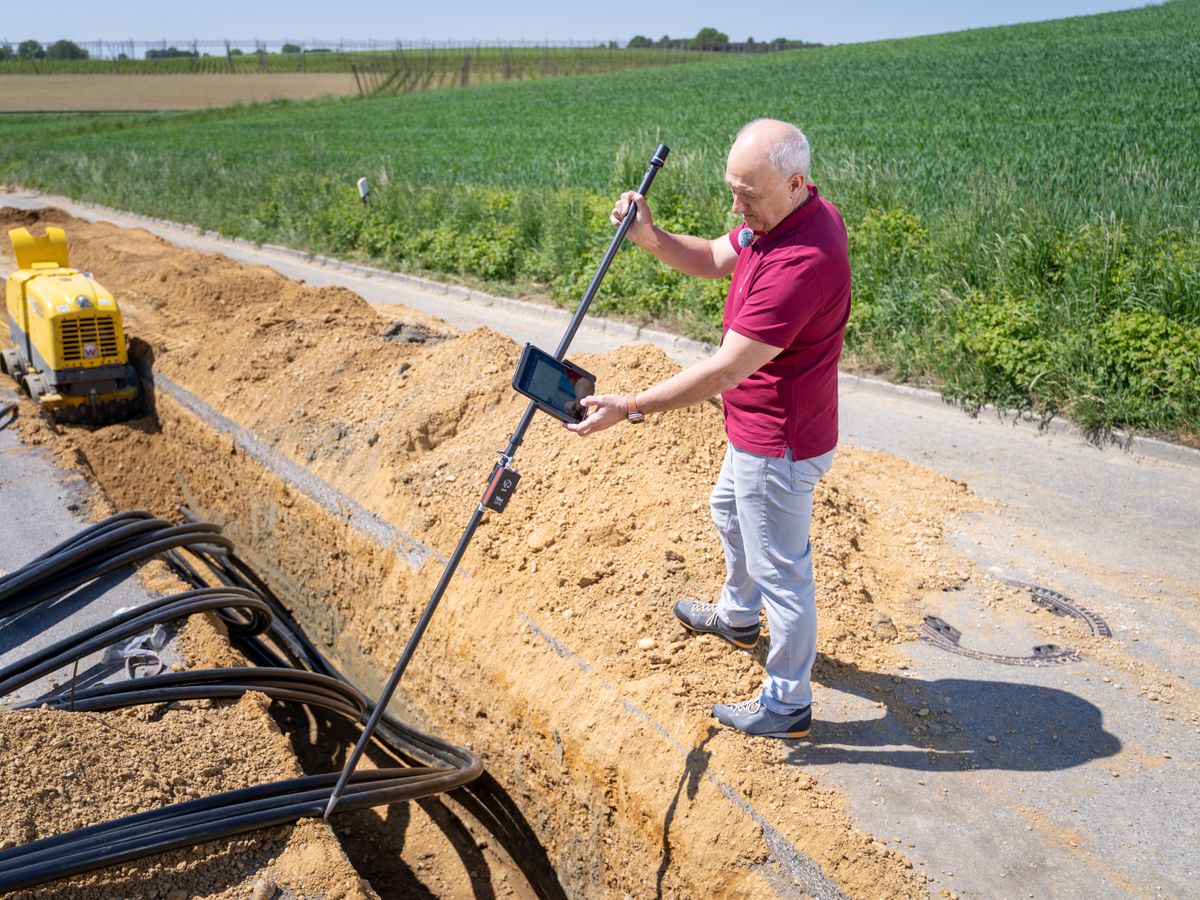
A camera on a cable shows what is inside the line, so you see the problem before anyone digs.

Lining or bursting a damaged line through small access pits can save lawns, trees and driveways.

Sewage at the floor drain or every fixture backing up? Calls are answered day and night.


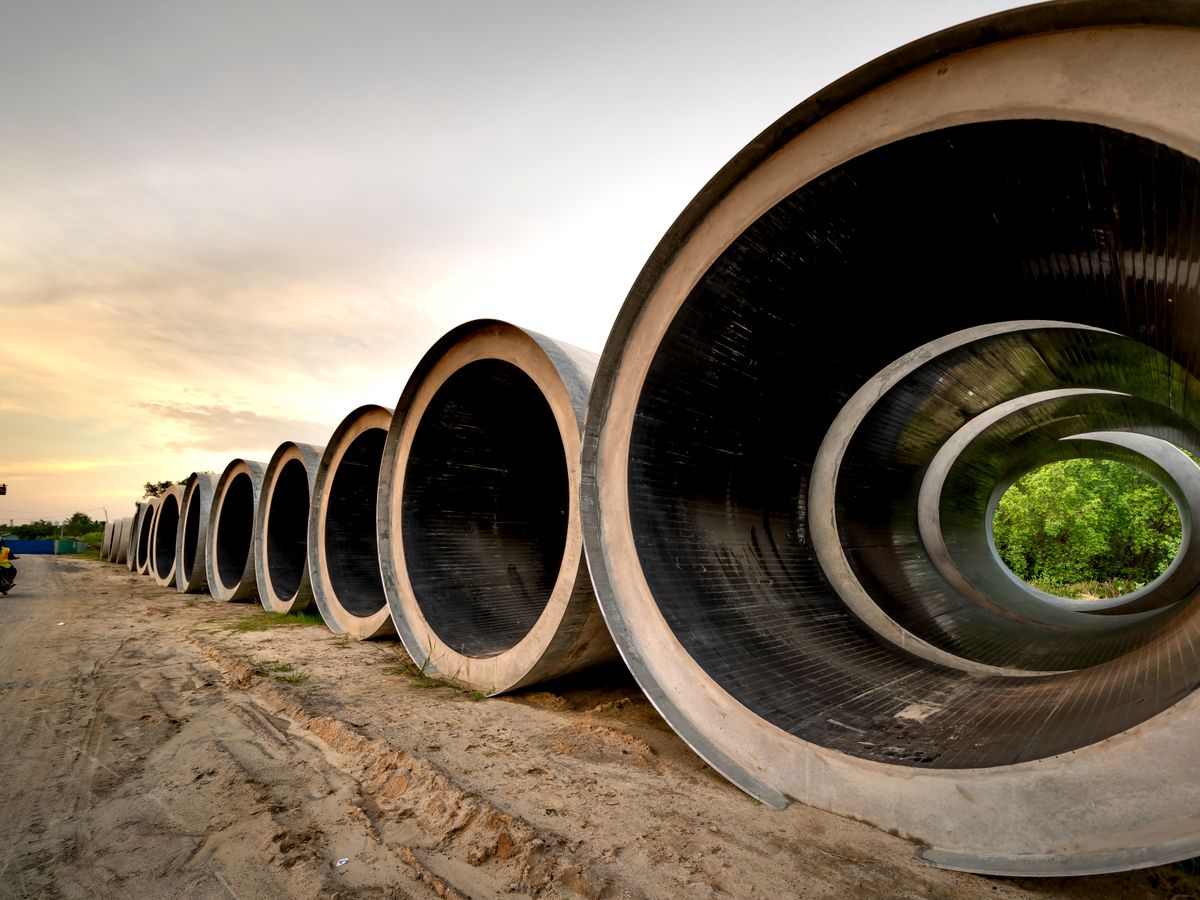
Representative photos of the kind of work local providers handle.
Talk to a local provider
One call connects you with an independent drain and sewer contractor who works in Loveland. They explain the likely cause and how the price is set before any work starts.
(970) 693-9705