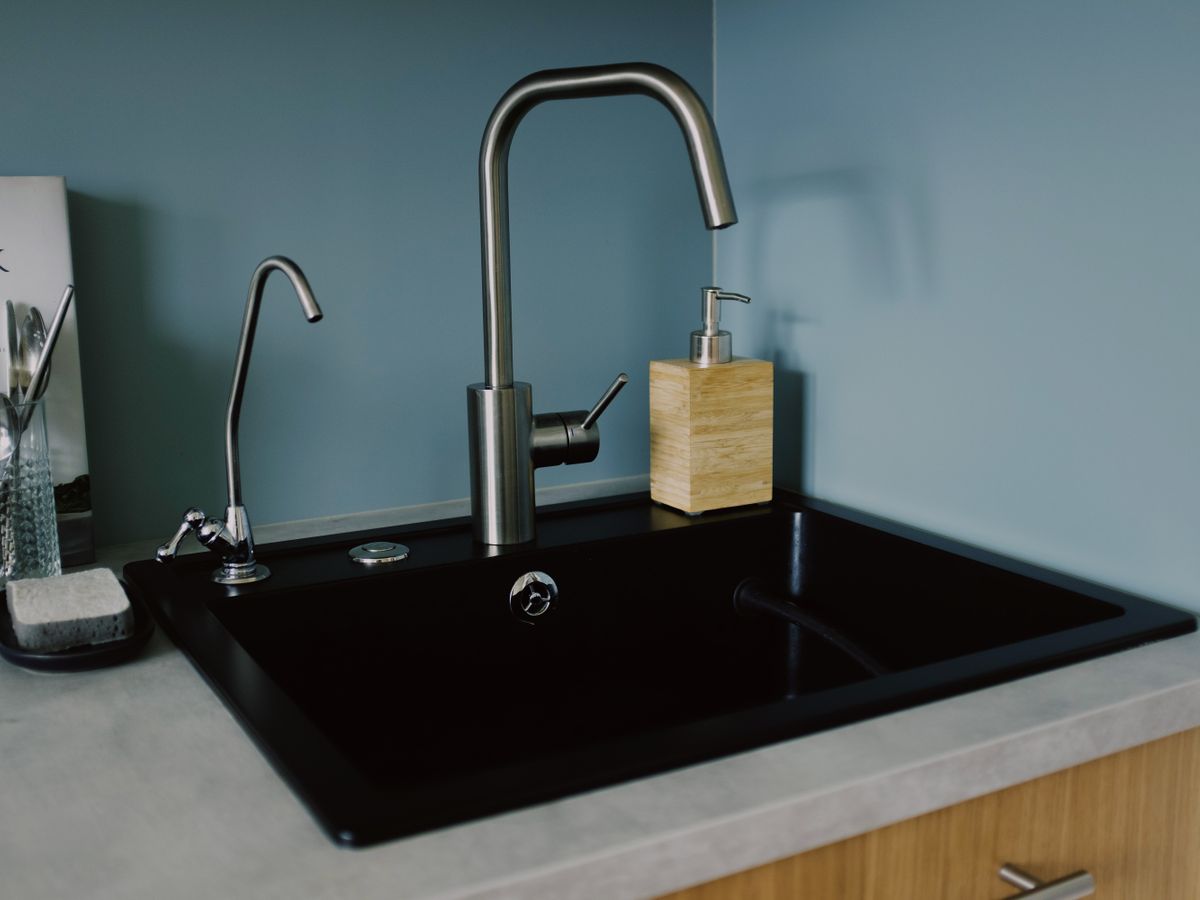
Clogged Drain Repair
One slow sink, tub or toilet? A provider finds where the clog sits and clears it without harsh chemicals.
View service (970) 693-9705
Trenchless methods repair or replace a damaged sewer line through one or two small access holes instead of a trench across the yard. In Loveland, where many lines run under mature trees, finished landscaping and driveways, that can make a big difference to what the job leaves behind.
Loveland Drain Clean is a free referral service, not a plumbing company. Calls are answered by independent local providers who set their own prices.

Trenchless sewer repair in Loveland usually means either cured-in-place pipe lining, where a resin-soaked liner is pulled into the old pipe and hardened to form a new pipe inside it, or pipe bursting, where a new pipe is pulled through as the old one is split apart. Both need a camera inspection first, and not every damaged line is a candidate.
Trenchless sewer repair is a group of methods for fixing or replacing an underground sewer line without digging a continuous trench along its full length. Instead, the work happens through existing cleanouts and one or two small access pits. The two main methods are pipe lining and pipe bursting, and a third, sectional point repair, handles a single bad spot.
Cured-in-place pipe lining (CIPP) puts a new pipe inside the old one. The line is cleaned, a flexible liner soaked in resin is pulled or inverted into it, and the resin is cured with hot water, steam or light until it hardens. The result is a seamless, jointless pipe that seals cracks and gaps in the original.
Pipe bursting replaces the old pipe entirely. A bursting head is pulled through the existing line, splitting it apart and pushing the fragments into the surrounding soil, while a new pipe, usually high-density polyethylene, is pulled in behind it. It needs a pit at each end but no trench in between.
Point repairs use a short liner or sleeve set at one location, such as a single cracked joint or a spot where roots have entered. They are useful when the rest of the line is in good shape.
None of these methods replaces good diagnosis. The provider has to know the pipe's size, material, depth and condition along the whole run before they can say which method fits, and that information comes from a camera inspection.
The line is scoped and the problem areas are located and marked from the surface, with depth, so the provider can plan access points.
Roots, grease and debris are removed, often by mechanical cutting or high-pressure water, so a liner can bond or a bursting head can pass.
The provider opens the cleanout and, if needed, digs a small pit at the far end of the section. Permits are pulled first for any work in the right-of-way.
For lining, the resin-soaked liner is installed and cured. For bursting, the new pipe is pulled through as the old pipe is split apart.
Connections are reopened, pits are backfilled and a final camera pass shows the new pipe. Ask for that footage for your records.
Multiple small defects along a pipe that still holds its shape are a classic case for lining.
A driveway, patio, finished landscaping or a mature tree sits over the line, making a trench costly to restore.
Older pipe that is cracked but not collapsed can often be lined rather than dug up.
Roots that return every year or two after cleaning suggest open joints that a seamless liner can close off.
One broken or separated joint with good pipe on either side may suit a point repair.
When a line is deep, excavation becomes larger and riskier, which can tip the balance toward a trenchless method.
Water coming up in the floor drain? Call (970) 693-9705 for a local provider.Open 24/7 · Talk to a local provider in Loveland
Call 24/7 (970) 693-9705Every sewer line has a lifespan, and Loveland's mix of old and new neighborhoods means the reasons vary by street. In the oldest parts of town, where the West 5th Street Historic District's houses date mostly from 1900 to 1910, original pipe may be clay or cast iron that has been patched over generations. Clay pipe from the middle of the last century is known to crack as soils shift; Boulder's sewer program describes exactly that pattern in its own 1940s to 1960s lines. Houses built before the 1970s may also have Orangeburg fiber pipe, which has a life of around 50 years at best and tends to flatten and blister.
Soil is a citywide factor. The Colorado Geological Survey identifies expansive soil as Colorado's most significant geologic hazard and specifically lists disrupted sewer lines among its effects. Clay that swells after wet springs and irrigation, then shrinks in dry spells, can move joints apart or bend a pipe into a sag.
Trees add pressure of their own. Ash makes up about 20 percent of Loveland's public tree canopy, and emerald ash borer was found in the city in 2024. Living roots seek out leaking joints, and as infested trees are removed, decaying roots can leave voids that let a pipe settle. Freezing is less often the cause, because the city's design frost depth is 30 inches and sewer lines are normally laid below it, but shallow sections can be at risk in a long cold snap.
Ask for the camera footage before and after the work. The before recording shows why a trenchless method was chosen; the after recording shows the new pipe and every reopened connection. Keep both with your house records.
Trenchless repair is a strong option when the old pipe still has a recognizable shape, the defects are cracks, root entry or open joints, and the cost of restoring what sits on top is high. It is often a good match for lines under driveways, mature trees and finished yards, which describes many established lots on the city's southwest side. Our page on Mariana Butte Loveland drain cleaning looks at that area in more detail.
It is not always possible. A pipe that has fully collapsed may stop a liner from passing. A deep belly where the pipe has sagged will usually still hold water after lining, because a liner follows the shape of the host pipe. Severe offsets, wrong grade or a line that needs to be rerouted can all mean that conventional excavation, or a mix of methods, is the better answer. In those cases, read about sewer line replacement Loveland and ask the provider to compare the two approaches side by side.
The decision starts with a sewer camera inspection Loveland. Without footage of the full run, nobody can honestly tell you a line is suitable for lining or bursting.
More than one drain slow at once? That points to the main line. Talk it through on the phone.Open 24/7 · Talk to a local provider in Loveland
Call 24/7 (970) 693-9705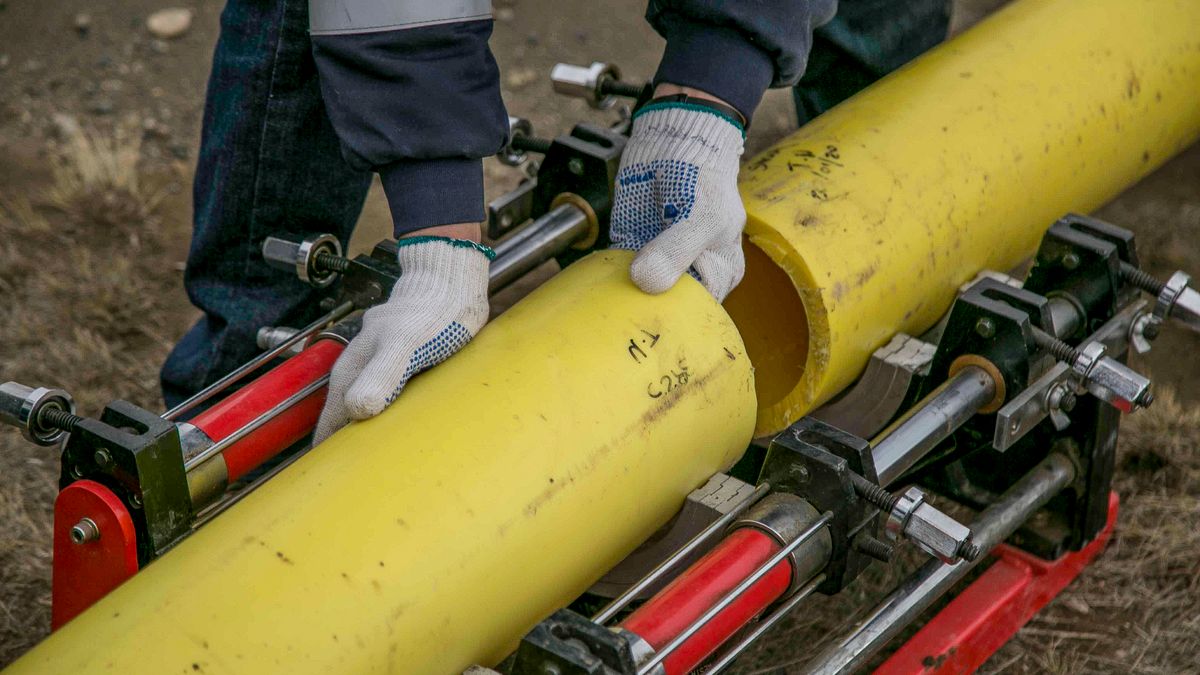
You describe the problem and any past inspections. The provider schedules a camera inspection if one has not been done.
With the footage in hand, the provider explains whether lining, bursting, a point repair or excavation fits, and gives you a price in writing.
Any required permits are pulled. Work in the city right-of-way needs a Major ROW permit, valid for 90 days, with inspections requested 48 hours ahead.
Water use is paused, the pipe is cleaned and the repair is installed through the access points. Most of the yard stays as it was.
A camera pass confirms the new pipe and reconnections, pits are backfilled and any required inspection is completed.
Sewage in the basement at night? Stop using water and call now.Open 24/7 · Talk to a local provider in Loveland
Call 24/7 (970) 693-9705| Factor | Trenchless (lining or bursting) | Open trench |
|---|---|---|
| Digging | One or two small access pits | A trench along the full length |
| Yard, driveway, trees | Mostly left in place | Removed and restored afterward |
| Collapsed or badly sagged pipe | Often not suitable | Can correct grade and reroute |
| Time out of service | Often a day or two | Often several days including restoration |
| Inspection | Camera survey before and after | Visual inspection of open trench plus camera |
| Factor | Why it matters | What to ask on the call |
|---|---|---|
| Length of pipe | More footage means more liner or more new pipe and more time. | How many feet are being lined or replaced? |
| Method | Lining, bursting and point repairs use different materials and equipment. | Why this method rather than the others? |
| Pipe condition and cleaning | Heavy roots or debris must be removed first, which takes extra work. | Is cleaning before lining included? |
| Access and depth | Deeper lines or lines without a usable cleanout may need larger pits. | Where will access pits go, and how deep? |
| Permits and restoration | Right-of-way work and any surface patching add to the scope. | Which permits are included, and who restores the pits? |
Most trenchless work is planned, but a damaged sewer line can fail without warning. If sewage is backing up into the house, stop using water and call (970) 693-9705. The first job is to get the line flowing again, usually by clearing the blockage, and then a camera can show whether the pipe is broken. A lasting repair, trenchless or otherwise, can then be scheduled once you know what you are dealing with.
If you notice a sinkhole or a sudden depression in the yard over the sewer line, keep people and vehicles off it. A void under the surface can be caused by a broken pipe washing soil away. Mark the area and mention it when you call. If the depression is in the street or sidewalk, report it to the city as well.
Water coming up in the floor drain? Call (970) 693-9705 for a local provider.Open 24/7 · Talk to a local provider in Loveland
Call 24/7 (970) 693-9705Be cautious with anyone who recommends lining or bursting without showing you a camera recording of your line. Ask for the footage and the distances, and if you are unsure, have the recording reviewed by a second provider before you commit.
Start with the basics. Ask what method they recommend and why, how long the finished pipe will be, what material it is, and what its inside diameter will be. Ask how they will reopen any branch connections inside the line and how they will check the result. Ask whether the price covers cleaning, permits, access pits and backfill, and what happens if they find something unexpected once work begins.
Ask about the limits too. A good provider will tell you when a line is not a candidate, for example when a section has collapsed or holds water in a deep sag, and will explain when a combination of a short dig and lining makes more sense. If the problem is limited to one area, sewer line repair Loveland covers spot fixes in more detail.
Finally, check credentials. Colorado licenses plumbers at the Residential, Journeyworker and Master levels through the Examining Board of Plumbers, and registers plumbing contractors; the DORA license lookup shows whether a license is active. Calls to (970) 693-9705 reach independent local contractors who set their own prices and terms, and you can ask any of these questions on that first call. For background on why pipes fail here, see expansive clay soil and sewer pipes and old sewer pipes in historic homes.
Want the bigger picture first? Our drain cleaning Loveland page lists every service and area we connect callers with.
Often, yes. Avoiding the driveway, patio or a large tree is one of the main reasons people choose it. The provider needs access at one or both ends of the damaged section, usually a cleanout near the house and a small pit near the far end, and a camera recording to confirm the pipe can be lined or burst.
A cured-in-place liner forms a continuous pipe with no joints for roots or shifting soil to pull apart, which is one reason it is used in soils that move. The Colorado Geological Survey notes that swelling clay can exert pressures of 20,000 to 30,000 pounds per square foot, so it is still worth asking the provider how they handle a line that has already sagged or shifted.
It depends on the scope. The City of Loveland requires building permits for alterations, and any work in the city right-of-way, including excavation, needs a Major Right-of-Way permit, so access pits near the street can trigger one. Ask the contractor to confirm which permits they will pull. For rentals and multi-family buildings, the city also requires a contractor's license; the Building Division can be reached at 970-962-2505.
It can. Plastic pipe does not corrode, but a joint can separate, a section can be crushed by roots or settle into a belly in clay soil, or debris from construction can catch waste. A camera shows whether the issue is a single spot that suits a point repair or something larger.
Slightly. A liner adds a thin wall inside the old pipe, so the inside diameter shrinks a little. In most residential lines this does not affect flow, and the smooth surface can help. Ask the provider what size the finished pipe will be.
Many residential jobs take a day or two once permits and scheduling are in place, compared with several days for a full open trench and restoration. Your provider can give you a realistic timeline after seeing the camera footage.
One slow sink, tub or toilet? A provider finds where the clog sits and clears it without harsh chemicals.

Roots, a cracked joint or a sag in the line out to the street, fixed at the damaged spot.
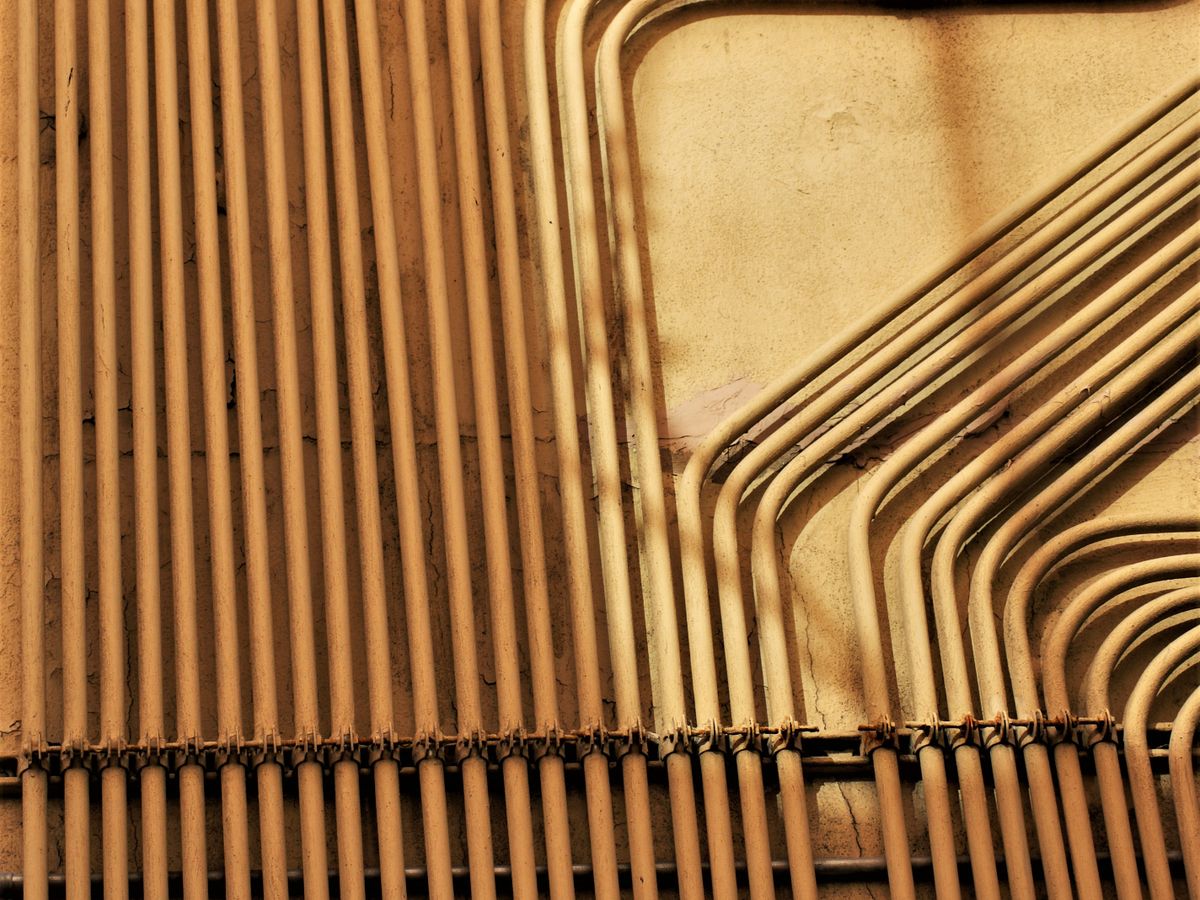
For worn clay, cast iron or Orangeburg pipe that keeps failing, replace the run instead of patching it again.

High-pressure water scours grease, sludge and fine roots off the pipe wall, not just a hole through the clog.
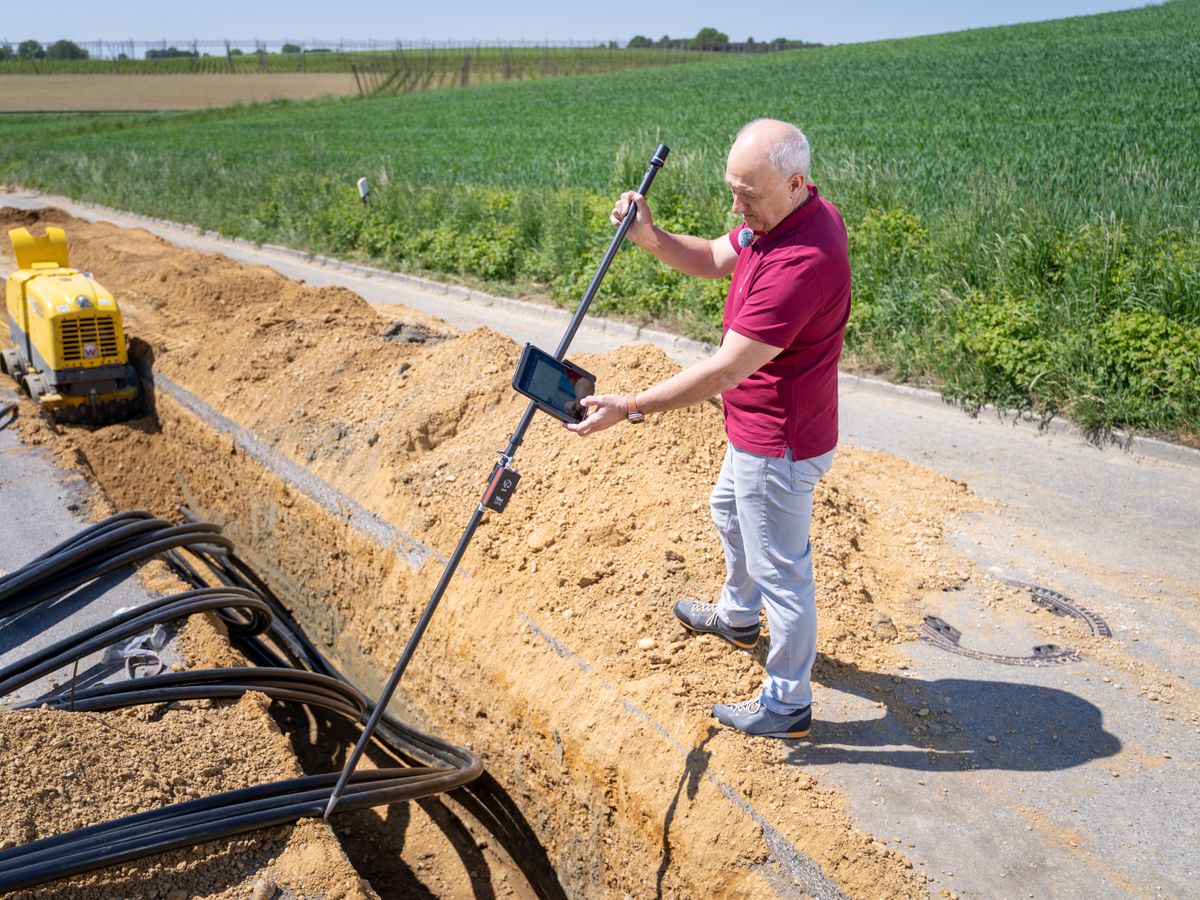
A camera on a cable shows what is inside the line, so you see the problem before anyone digs.

Sewage at the floor drain or every fixture backing up? Calls are answered day and night.

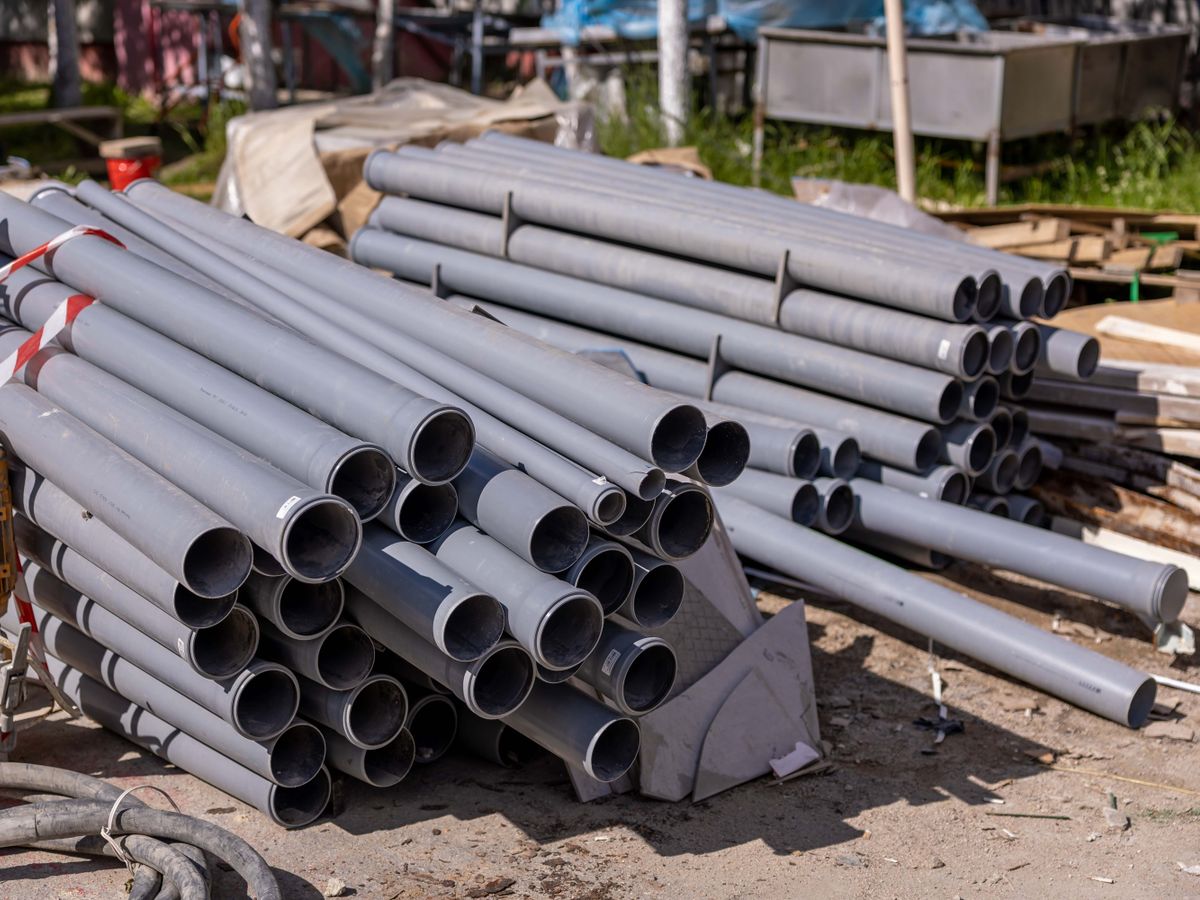


Representative photos of the kind of work local providers handle.
Talk to a local provider
One call connects you with an independent drain and sewer contractor who works in Loveland. They explain the likely cause and how the price is set before any work starts.
(970) 693-9705