
Local problem · November 4, 2026
Who Pays for a Clogged Sewer Line
What the city says about sewer clogs, shared lines and who pays for what.
Read the guide
Published November 4, 2026 · Loveland Drain Clean
A little bacon grease down the sink seems harmless. It is warm, it flows and it disappears. Underground it is a different story, and the City of Loveland has a simple tool to help.
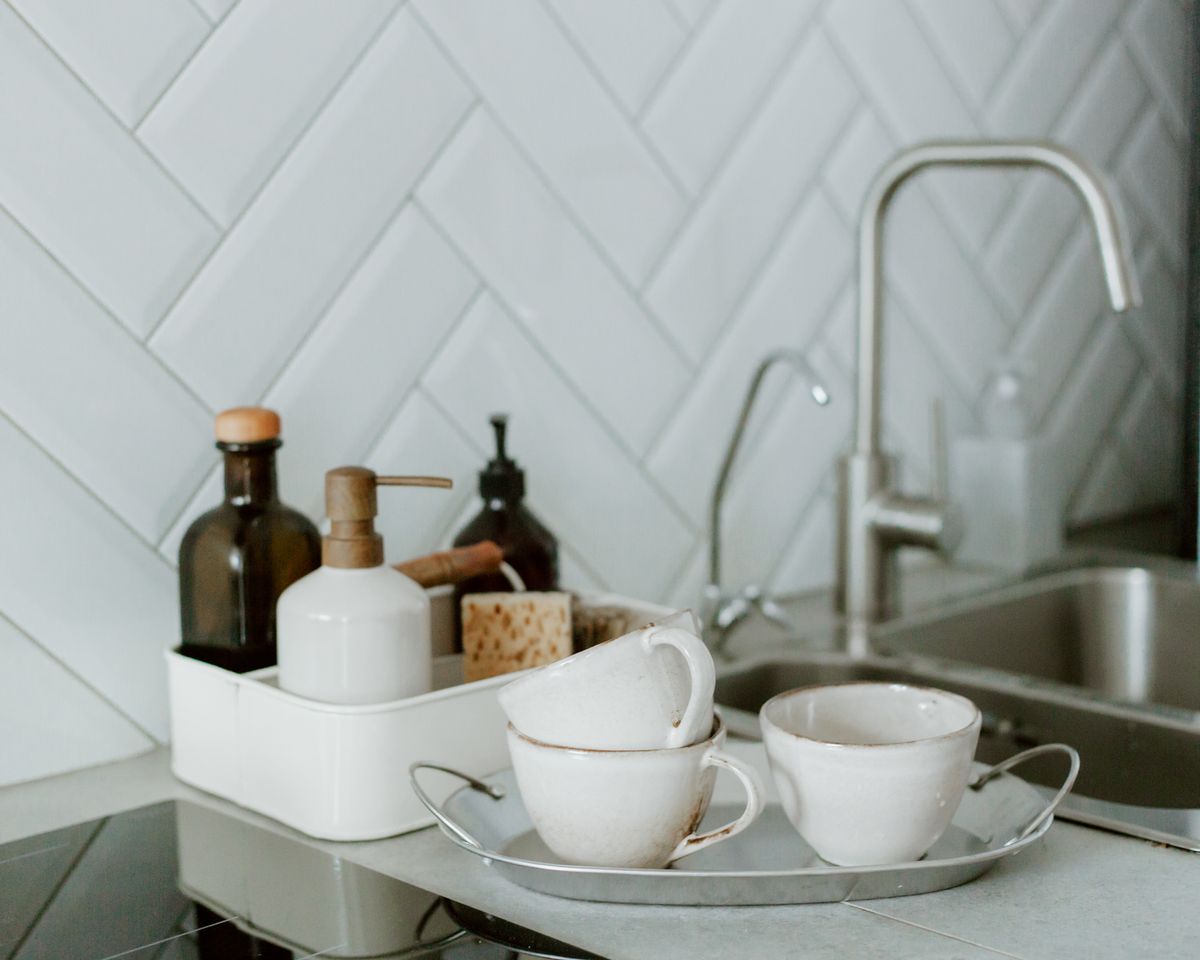
Grease causes sewer backups because it does not stay liquid. Fats, oils and grease from cooking cool as they travel through the pipes, then stick to the pipe walls and harden. Layer by layer, the opening narrows until food scraps and paper get caught and the line stops flowing. Loveland Water and Power warns that fats, oils and grease can plug the City's sewer lines and cause a backup that can damage your home.
The fix is mostly prevention. Collect grease instead of pouring it down the drain, and throw it in the trash. The city even offers free Fat Trapper kits to make that easier.
Hot grease looks like liquid, so it seems logical to rinse it away. The trouble starts a few feet down the drain. As it cools, it turns soft and sticky and clings to the pipe, especially in the kitchen branch line and wherever the pipe bends or has a rough surface. Over time it can also react with minerals and soaps to form a harder, soap-like deposit.
Running hot water or adding dish soap does not solve this. It mainly carries the grease farther down the line before it cools and sticks, which can move the problem from your sink trap to the main sewer line under the yard, where it is harder to reach.
More than one drain slow at once? That points to the main line. Talk it through on the phone.Open 24/7 · Talk to a local provider in Loveland
Call 24/7 (970) 693-9705The same grease that clogs a kitchen drain does not stop at the property line. Loveland's wastewater system serves more than 30,000 homes and businesses, and grease from many households can build up in the public sewer lines too. That is why the city treats fats, oils and grease as a problem for everyone, not just the person who poured them.
When grease blocks a public line, wastewater looks for the lowest exit, which can be a basement floor drain. The city's warning that grease can cause a backup that damages your home is a reminder that what goes down one kitchen sink can affect a whole street.
A kitchen sink that drains slowly after big cooking days is a classic grease warning. A plunger or a basic hand auger may clear a clog close to the sink. If the clog keeps returning, or other drains start slowing too, the grease may be deeper in the line. Avoid pouring chemical drain cleaners on a grease clog; they can heat pipes and often only open a small channel.
For a stubborn or repeating blockage, our page on clogged drain repair Loveland explains what a local provider typically does, from cabling the line to recommending water jetting when grease coats the pipe walls.
Sewage in the basement at night? Stop using water and call now.Open 24/7 · Talk to a local provider in Loveland
Call 24/7 (970) 693-9705Loveland Water and Power offers Fat Trapper kits to help residents collect grease at home. You can pick one up at the City Service Center at 920 S. Boise Ave or at the Utility Billing Office at 500 E. Third St. For questions, call 970-962-3000.
The kit gives you a simple container to pour cooled grease into. When it is full, seal it and put it in the trash. It takes a few seconds, and it is one of the easiest ways to protect both your own pipes and the city's.
A garbage disposal grinds food into smaller pieces, but it does not make grease disappear. Ground food mixed with fat can actually form a paste that settles in the pipes. Coffee grounds, eggshells, rice and pasta are also common troublemakers.
Use the disposal sparingly, run plenty of cold water while it is on and keep greasy scraps out of it. Cold water helps the disposal chop food, though it will not keep grease from hardening further down the pipe, so the trash is still the best place for fat.
Grease problems often show up after holidays and large family meals, when roasts, fried food and heavy dishwashing all hit the same drain on the same day. A little planning helps: keep a grease container ready, scrape plates well and spread out dishwasher and laundry loads if a drain has been slow lately.
If a backup does happen, stop using water, avoid contact with the wastewater and get help. Loveland Drain Clean is a free referral service that connects you with independent local providers; call (970) 693-9705 any time. To see everything we route calls for, start with drain cleaning Loveland.
Water coming up in the floor drain? Call (970) 693-9705 for a local provider.Open 24/7 · Talk to a local provider in Loveland
Call 24/7 (970) 693-9705Local problem · November 4, 2026
What the city says about sewer clogs, shared lines and who pays for what.
Local problem · November 4, 2026
Roots, emerald ash borer and what a declining ash means for your sewer line.
Local problem · November 4, 2026
How swelling and shrinking clay soil affects the sewer line under your yard.
At the City Service Center, 920 S. Boise Ave, or the Utility Billing Office, 500 E. Third St. Call 970-962-3000 with questions.
No. Liquid cooking oils still coat pipe walls and combine with other debris. Collect them with your other grease.
That pattern points to grease building up in the kitchen line. Collect fats before washing up, and have the line cleared and checked if it keeps happening.
Talk to a local provider
One call connects you with an independent drain and sewer contractor who works in Loveland. They explain the likely cause and how the price is set before any work starts.
(970) 693-9705